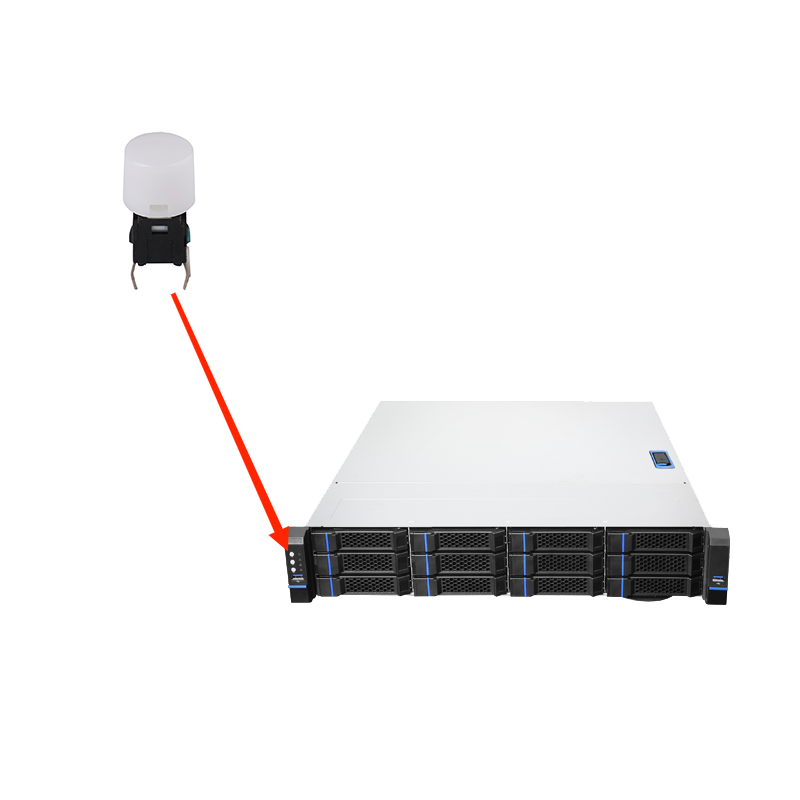
lakeviewswitch

When it comes to switches, two main types are commonly used – latching switches and momentary switches. While they may look similar, these switches operate in different ways and are designed for different applications. In this article, we will explore the difference between latching and momentary switches and discuss their respective uses.

Latching Switches

Latching switches are designed to be switched on by the user and will remain on until they are manually switched off again. Once turned on, they do not require continuous compression from the user to stay activated. You can find latching switches in various settings, such as homes, where they are commonly used for light switches, central heating switches, or stereo systems.

Additionally, latching switches are used in different industries, including tattoo machines and spa operations. These switches provide a convenient way to control the operation of these devices without the need for constant pressure.

Momentary Switches

Momentary switches, on the other hand, require continuous compression from the user to stay activated. These switches will turn on when the user compresses the switch and will remain on only as long as there is pressure applied. Once the pressure is removed, they will switch off automatically.

Some common examples of momentary switches include door buzzers or electric drills. In the medical industry, momentary switches are used on hand or foot controls for hospital beds. Patients can adjust the position of the bed by applying pressure to the switch, but the bed will only move as long as the switch is pressed down. Additionally, momentary switches are used for “press to talk” applications in telephones, where the line remains open as long as the switch is pressed.
Choosing the Right Switch


The choice between a latching switch and a momentary switch depends on the specific application and safety considerations. One of the main reasons for choosing a momentary switch is operator safety. If it is not safe for the device to be left unattended, a momentary switch ensures that the operator must continuously apply pressure to keep the device activated.

For example, heavy-duty roller doors often use momentary switches. The operator must hold down the switch while the door is opening or closing. If there are any obstructions in the doorway, the operator can quickly release the switch to stop the door from closing, preventing accidents.

Latching switches, on the other hand, are more suitable for lower-risk applications and situations where it would be highly inconvenient for the operator to manually apply pressure to keep the switch activated. For instance, it would be impractical to stand at a light switch to keep it switched on, so a latching switch is a better choice in such scenarios.

In conclusion, latching switches and momentary switches serve different purposes and are suited for different applications. Understanding the difference between these switches allows you to make an informed decision when choosing the right switch for your specific needs.
QUICK LINKS:  View all LED Illuminated Switches

What are LED-illuminated switches?

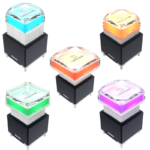
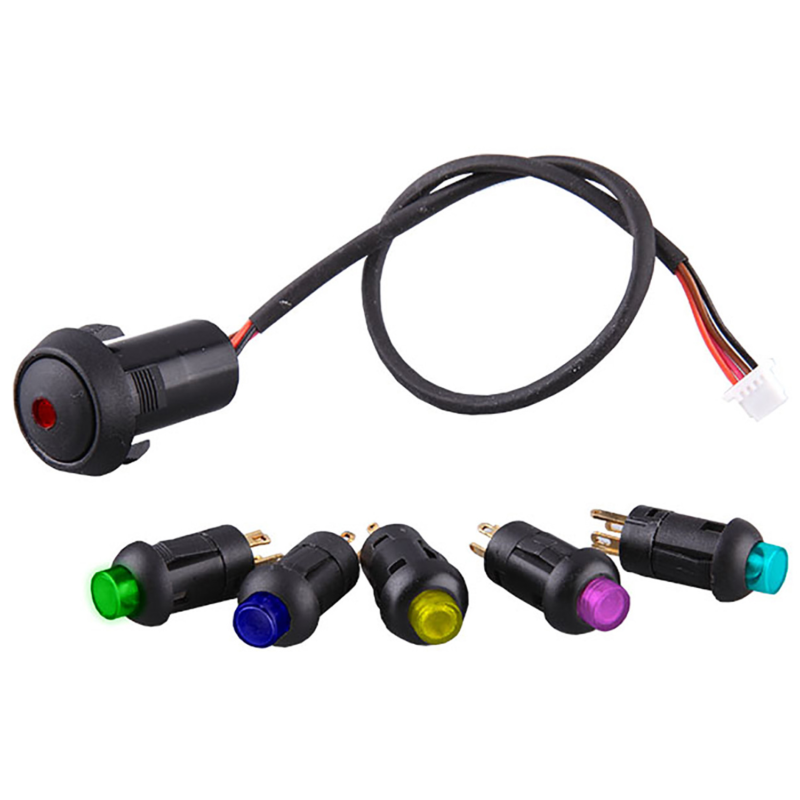
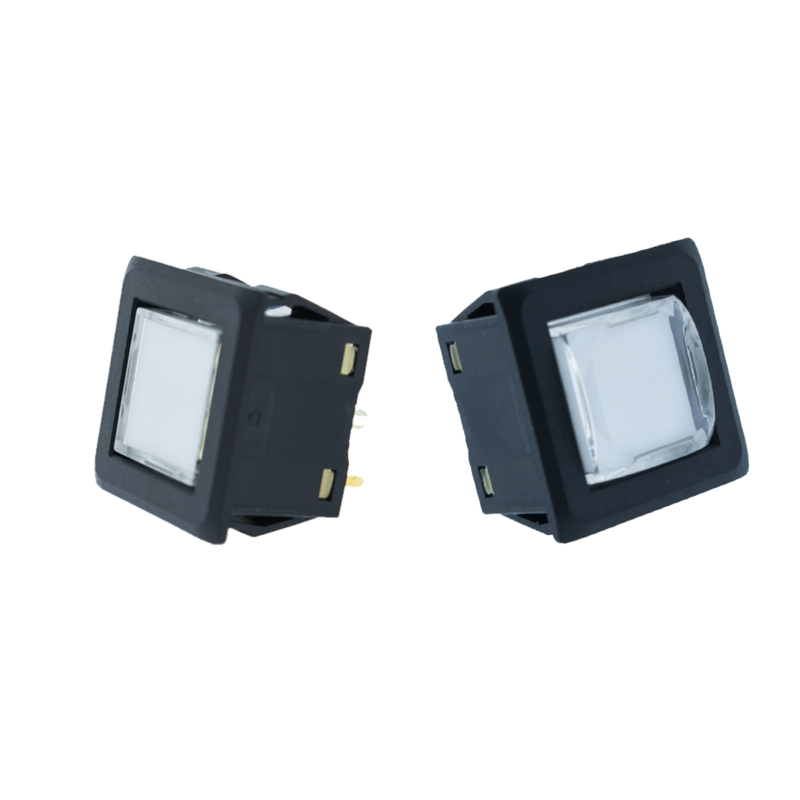
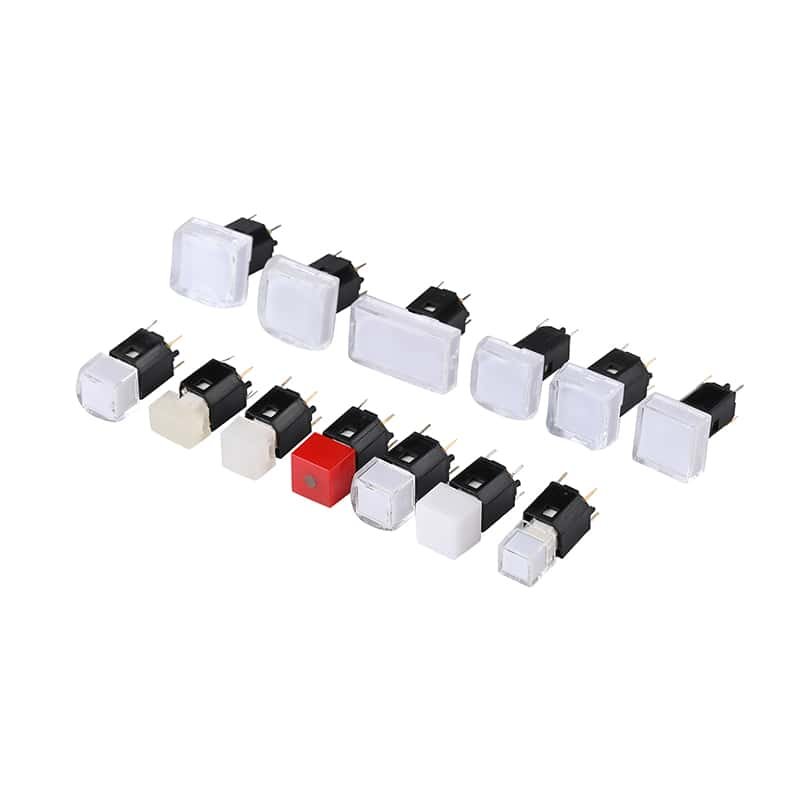
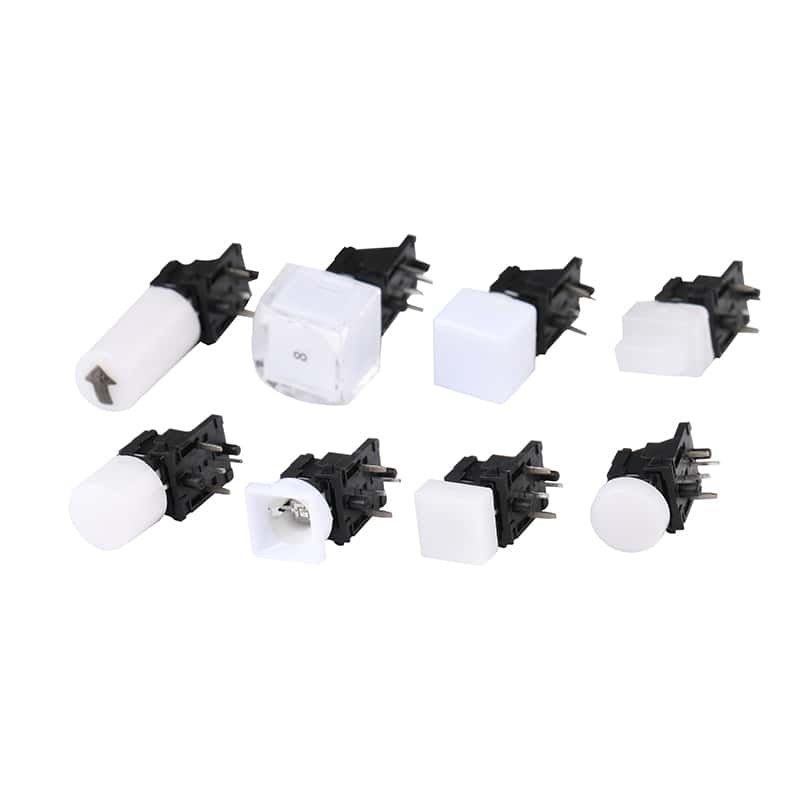
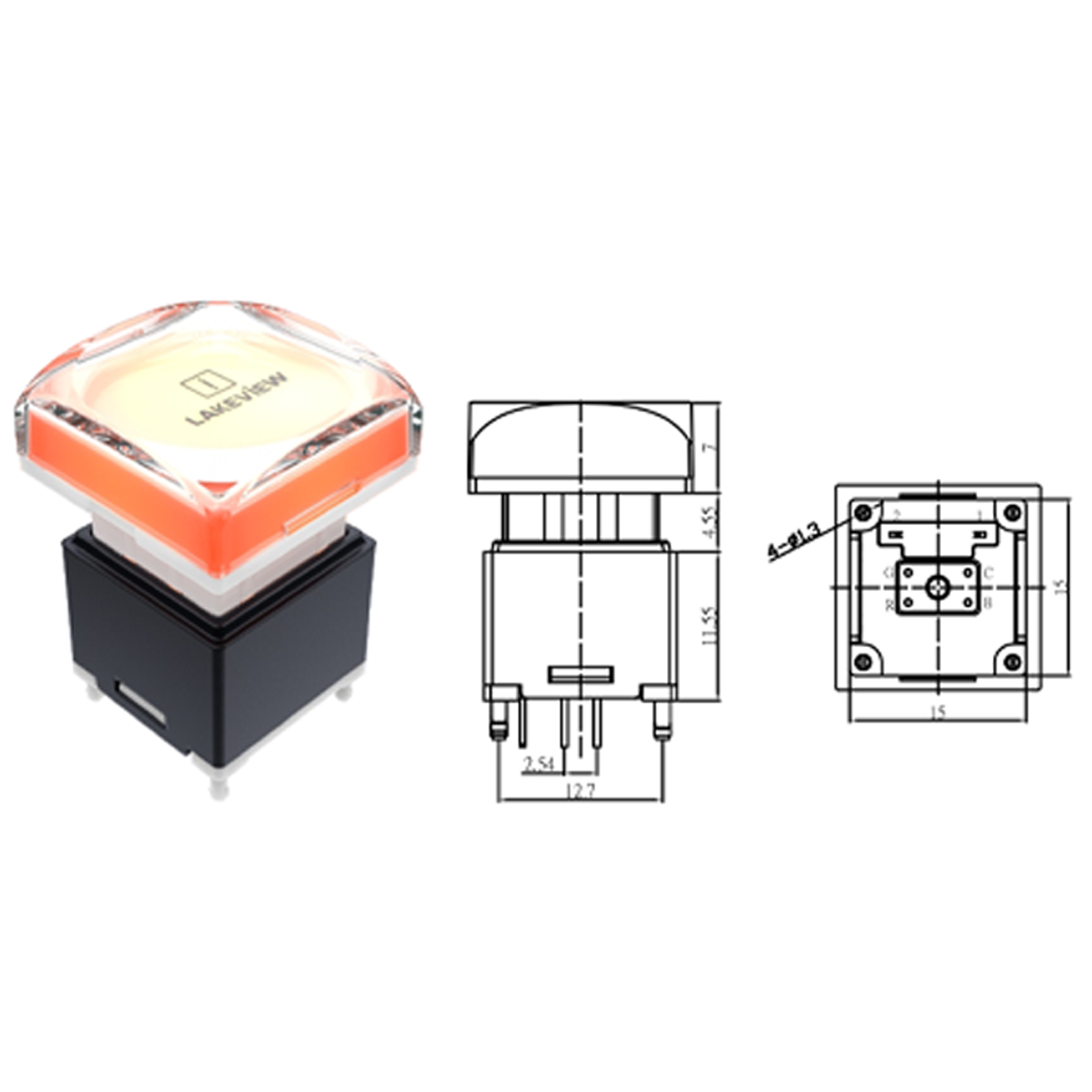
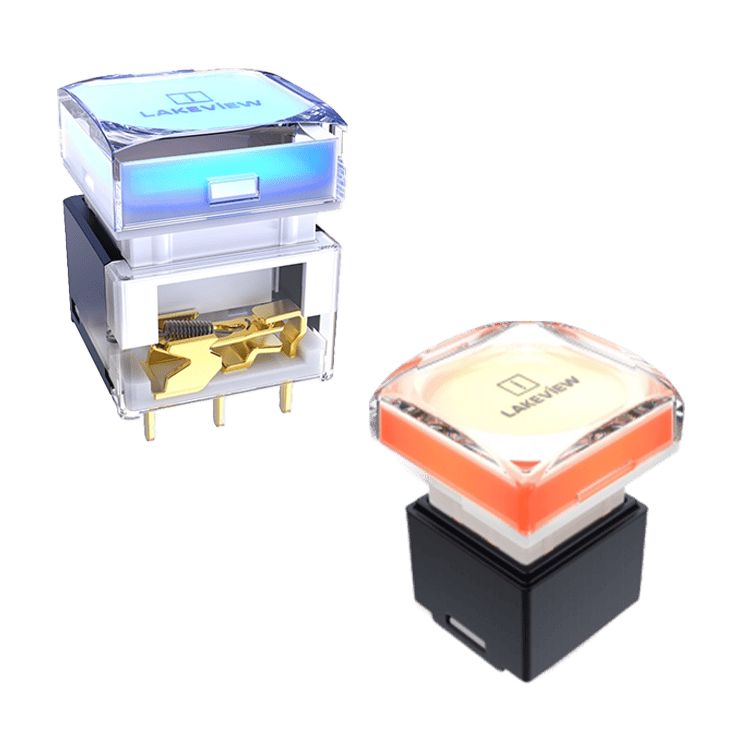
An LED-illuminated switch is a push-button switch that includes a built-in LED light. This LED serves two main purposes: it makes the switch visible in low light and indicates the switch’s status (like on or off). These switches are energy-efficient, durable, and come in various colors. They’re widely used in electronics, industrial machines, and control panels for both functionality and aesthetic appeal.

According to the functional characteristics of LED-illuminated switches, we can divide them into the following types.

  1. Momentary LED Switches: These switches light up only when pressed and return to their original state once released. They’re commonly used in keyboards, control panels, and where temporary actions are needed.
  2. Latching LED Switches: These maintain their state after being pressed—either staying lit or turning off until pressed again. They’re used in applications where a sustained function, like power on/off, is required.
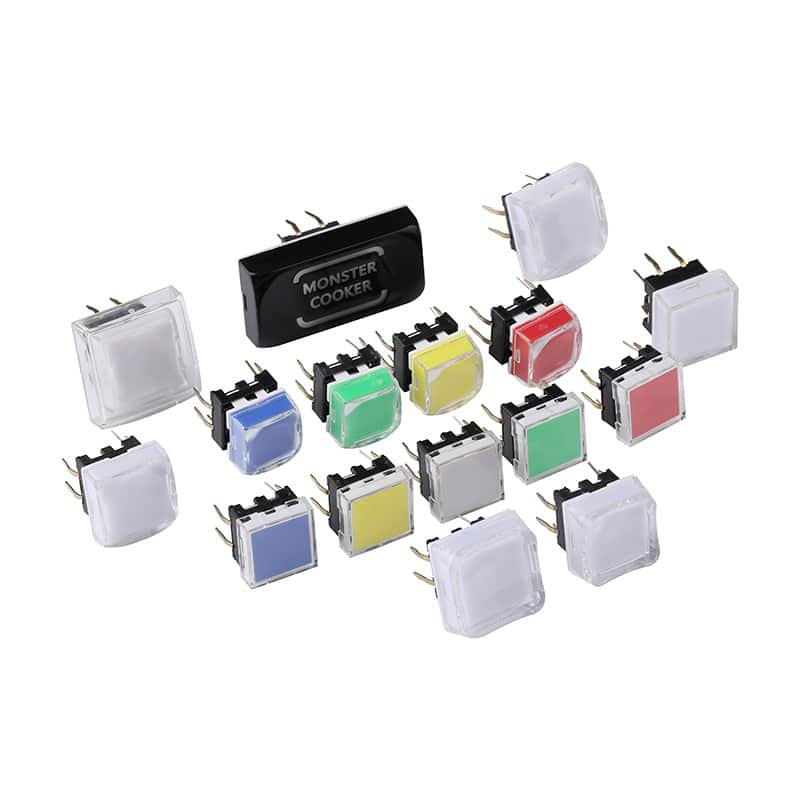
  3. Bi-Color or Multi-Color LED Switches: These switches can display multiple colors, indicating different statuses or functions. They’re useful in complex control systems where multiple conditions need to be indicated.
  4. Dimmable LED Switches: They allow the adjustment of the LED’s brightness, suitable for environments where variable lighting is desired.
  5. Waterproof LED Switches: Designed for outdoor or harsh environments, these switches are resistant to water and other elements.
  6. Customizable LED Switches: Some switches offer customizable features like changeable LED colors, blinking patterns, or programmable functions.
  7. Capacitive Touch LED Switches: These are touch-sensitive switches that light up upon touch, often used in modern, sleek designs like smart home devices.

According to the design of LED illuminated switches and the feedback they provide, we can roughly divide them into LED push button switches and LED tactile switches.

Push Button Switch:

  • Design: This is a simple switch mechanism that allows current to flow when pressed and breaks the circuit when released. Push button switches come in various forms like momentary or latching types.
  • Feedback: Push button switches may or may not provide tactile feedback. When pressed, some will have a noticeable click or resistance, while others might be smooth without any noticeable feedback.
  • Uses: They are used in a wide range of applications, from simple household devices to complex machinery.

Tactile Switch:

  • Design: Tactile switches are a type of momentary switch that is designed to give a physical ‘click’ sensation when pressed. They are smaller and more compact than most push button switches.
  • Feedback: The key feature of tactile switches is the tactile feedback they provide. When you press a tactile switch, you can feel a distinct snap or click, indicating the activation of the switch.
  • Uses: Tactile switches are commonly used in applications where physical feedback is important for the user, like keyboards, control panels, and handheld devices.

LED-illuminated button switches offer several advantages:

  1. Visibility: The integrated LED improves visibility, making the switch easy to locate and use, especially in low-light conditions.
  2. Status Indication: The LED can indicate the status of the switch (on or off) or the device it controls, providing clear feedback to the user.
  3. Aesthetic Appeal: These switches have a modern and stylish appearance, enhancing the overall design of the device or control panel.
  4. Energy Efficiency: LEDs consume less power and have a longer lifespan compared to traditional bulbs, making these switches more energy-efficient and durable.
  5. Color Variety: LEDs come in various colors, allowing for customization and color-coding of functions.
  6. Versatility: LED illuminated button switches are suitable for a wide range of applications, from consumer electronics to industrial machinery.
  7. User Experience: The illumination can improve the user experience, making interaction with the device more intuitive and satisfying.

LED-illuminated button switches are used in a wide range of applications due to their visibility, durability, and user-friendly design.

Some common application scenarios include:

  1. Consumer Electronics: Devices like audio systems, televisions, and gaming consoles for easy operation in low-light conditions.
  2. Industrial Control Panels: For machinery and equipment controls, where clear indication and reliable operation are crucial.
  3. Automotive: In-car dashboards and control systems for visibility and ease of use.
  4. Medical Equipment: On various medical devices where precision and clear feedback are essential.
  5. Home Appliances: On microwaves, washing machines, and other appliances for ease of use and modern aesthetics.

In the context of the broadcasting and television industry, LED-illuminated button switches have several specific applications:

  • Control Consoles: In broadcasting studios, these switches are used on control panels and mixing desks to indicate active channels, and power status, or to cue certain actions. The clear visibility and status indication are vital in a fast-paced studio environment.
  • Camera Controls: On professional cameras and related equipment, illuminated switches help operators quickly identify and control various functions, especially in low-light settings like studios or outdoor evening shoots.
  • Editing Suites: In post-production, these switches are used on editing consoles and audio mixing boards, providing clear visual cues and enhancing the overall efficiency of the editing process.
  • Outside Broadcasting Vans: In mobile broadcasting units, these switches are crucial for operating various equipment quickly and accurately in different lighting conditions.

In all these applications, the LED-illuminated button switches enhance usability, efficiency, and safety, which are key factors in the broadcasting and television field.

Introduction:

When it comes to installing and wiring 12V LED push button switches, many individuals seek guidance on the process to ensure a successful and efficient installation. In this comprehensive guide, we will delve into the intricacies of wiring these switches, providing you with a clear understanding of the necessary steps and precautions involved. Whether you are a professional installer or an enthusiast, this article aims to equip you with the knowledge required to tackle this task with confidence and precision.

Understanding the Components:

Before diving into the wiring process, let’s familiarize ourselves with the components of a typical 12V LED push button switch. These switches consist of several key elements, including the push button itself, LED indicator, terminals, and the switch body. It is crucial to identify these components accurately to ensure a correct and secure wiring connection.

Wiring Diagram:

To simplify the wiring process, a clear and concise wiring diagram is essential. Below is an example wiring diagram for a 12V LED push button switch:

Please note that the specific wiring diagram may vary depending on the manufacturer and model of the switch. Always refer to the manufacturer’s documentation and instructions for the most accurate and up-to-date wiring diagram for your specific switch.

Wiring Instructions:

Now, let’s break down the wiring process step by step:

Step 1: Power Source Connection:

Identify the positive (+) and negative (-) terminals of your power source, typically a 12V DC power supply. Connect the positive terminal to the positive terminal on the switch.

Step 2: LED Indicator Wiring:

Locate the terminals designated for the LED indicator on the switch. Connect the positive terminal of the LED indicator to the positive terminal of the power source. Connect the negative terminal of the LED indicator to the negative terminal on the switch.

Step 3: Load Connection:

Identify the terminals assigned for the load connection on the switch. Connect the positive terminal of the load (e.g., a device or equipment to be controlled) to the positive terminal on the switch. Connect the negative terminal of the load to the negative terminal of the power source.

Step 4: Secure Connections:

Double-check all connections to ensure they are properly secured and free from any loose wires or exposed conductors. Inspect for any signs of damage or wear that may affect the performance or safety of the wiring setup.

Step 5: Testing:

Before finalizing the installation, conduct a thorough testing process to ensure the switch functions as intended. Test the switch’s push button operation, LED indicator illumination, and the control of the connected load.

Conclusion:

Wiring a 12V LED push button switch requires attention to detail and a systematic approach. By understanding the components, referring to accurate wiring diagrams, and following the provided instructions, you can successfully wire these switches safely and efficiently. Always prioritize safety precautions and consult the manufacturer’s guidelines to ensure compliance with specific switch models. With this knowledge in hand, you are now equipped to confidently install and wire 12V LED push button switches for your various applications.

Note: The provided wiring instructions are for general guidance only. It is crucial to consult the manufacturer’s documentation and guidelines specific to your switch model for accurate and safe installation.

Introduction:

LED button switches play a crucial role in various industries. With the increasing demand for LED buttons, China has become a significant player in the market. However, making informed choices when purchasing LED buttons is essential to ensure product quality, reliability, and compatibility with specific applications. In this article, we’ll explore nine crucial points to consider when buying LED buttons in China.

1. Quality and Certification:

When sourcing LED button switches in China, prioritize suppliers known for producing high-quality products. Look for reputable manufacturers with a track record of meeting industry standards. Additionally, verify if the LED button switches hold essential certifications like CE, RoHS, and ISO to ensure compliance with safety and environmental regulations.

2. Materials and Durability:

The durability of LED button switches is crucial, especially for applications in demanding environments. Opt for buttons made from robust materials such as stainless steel or high-quality plastic. These materials offer enhanced resistance to wear, corrosion, and mechanical stress, ensuring long-lasting performance.

3. IP Rating and Environmental Protection:

Consider the IP rating of the LED button switches, which indicates their level of protection against dust and water. Different applications require varying levels of environmental protection, so select the appropriate IP rating based on the specific operating conditions.

4. Functionality and Actuator Types:

Evaluate the functionality of LED button switches based on the application’s requirements. Choose between momentary and latching types, depending on whether a temporary or sustained action is needed. Additionally, explore various actuator types (flat, high-raised, domed, etc.) for both usability and aesthetic considerations.

5. LED Indicator Colors:

LED indicator colors play a crucial role in visual communication and signaling. Assess the available LED colors offered by suppliers and select the ones that align with the application’s needs. Different colors can serve specific purposes, such as status indication or system feedback.

6. Voltage and Current Ratings:

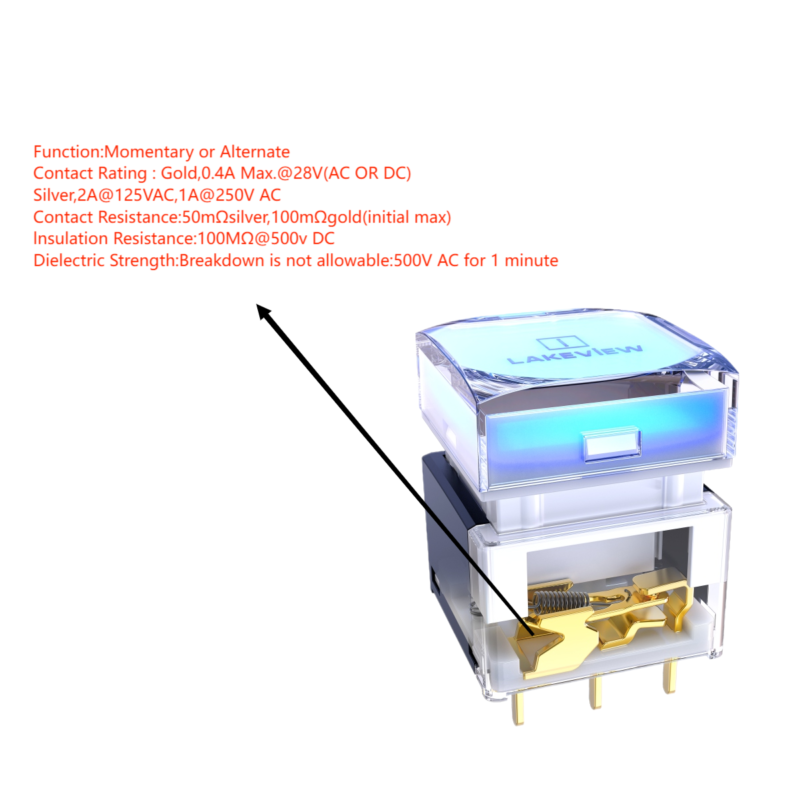
Verify the voltage and current ratings of the LED button switches to ensure compatibility with the application’s power supply. Choosing buttons with suitable ratings prevents potential electrical issues and ensures safe and reliable operation.

7. Mounting Options:

Consider the mounting type that best suits the installation requirements. Different mounting options, such as panel mount, snap-in mount, or thread mount, offer varying degrees of ease and stability during installation. Select the most suitable option based on your panel design and installation preferences.

8. Temperature Tolerance:

For applications exposed to extreme temperatures or outdoor environments, pay attention to the LED button switches operating temperature range. Choosing buttons with a wide temperature tolerance ensures their reliable operation in diverse conditions.

9. Supplier Reputation and Customer Support:

Work with reputable LED button switch suppliers with a proven track record of customer satisfaction. A reliable supplier will offer excellent customer support, helping with inquiries, customization requests, and after-sales service, if needed.

Conclusion:

When purchasing LED button switches in China, being well-informed is essential to ensure product quality, functionality, and longevity. Consider factors such as quality, certifications, materials, IP rating, functionality, LED indicator colors, voltage, current ratings, mounting options, temperature tolerance, and supplier reputation. By making informed decisions, you can source LED button switches that meet your specific application needs and contribute to the success of your projects.

If you would like to learn more about LED button switches, please feel free to leave a comment.

Synopsis:

In the fast-paced and competitive world of video switcher production, aligning yourself with a supplier that specializes in flexibility, innovation, and full support is critical to success. Our company is proud to be at the forefront of this industry, offering a range of services. This article explores how we accommodate small orders, offer monthly payment terms, provide free R&D services, and ensure personalized assistance to meet and exceed the needs of video switcher manufacturers.

Unrivaled Flexibility for Your Production Needs:

No collaboration is too small or too large to be overlooked, and successful partnerships start from the ground up. 0 MOQ is the first step in our partnership, and our ability to handle small orders is a cornerstone of our service. Whether it’s for regular or customized product requests, we can manage it efficiently and promptly.

Supportive Monthly Payment Terms:

Financial flexibility is key in the manufacturing industry, and we have adapted to this necessity. By offering supportive monthly payment terms, we enable our partners to optimize their budgeting and financial planning. This strategy contributes to smoother business operations and fosters sustainable, supportive partnerships, allowing manufacturers to obtain necessary components without undue financial pressure.

Innovative R&D Services at No Extra Cost:

Innovation lies at the heart of what we do. Our complimentary R&D service has always been highly valued by our customers. Whether for start-ups with limited funding or established companies with busy schedules, this service helps to incubate ideas. Our team of engineers, though not having the pockets of Doraemon, have unconditionally brought many clients’ ideas to life. This proactive approach keeps both our partners and us at the forefront of the industry.

Personalized, One-on-One Assistance:

Strong, enduring relationships are vital to us. We provide each partner with dedicated, one-on-one assistance throughout the purchasing process. From product selection to resolving technical issues, our team is committed to ensuring a smooth and efficient experience. Building long-term, trust-based partnerships is a hallmark of our customer service philosophy.

Assurance of Quality and Compliance:

Our relentless focus on quality and adherence to industry standards is unwavering. Our products undergo at least three manual inspections and two rounds of machine checks before leaving the factory, ensuring every component we supply meets the highest standards. This commitment to quality guarantees our partners can trust the performance and longevity of the video switchers they produce.

Conclusion:

Choosing the right supplier is a pivotal decision for video switcher manufacturers. Our company is ready to offer you flexible deliveries, favorable payment terms, complimentary R&D services, and customized assistance. Our dedication to quality, service, and innovation positions us as the ideal partner for the video switcher manufacturing industry. Embrace the advantages of working with us and experience a new standard of excellence and collaboration.

Ready to elevate your video switcher production to new heights?

Contact us today to discuss how we can collaborate to bring your vision to life and revolutionize your production process.

In the ever-evolving realm of electronics, mastering the intricacies of wiring an LED push button switch is pivotal. Whether you’re a seasoned enthusiast or a novice delving into the world of electronic components, understanding the nuances of this process can be a game-changer.

Understanding the Basics

To embark on this journey, let’s start with the basics. An LED push button switch is a compact, versatile component that combines the functionality of a switch with the visual appeal of an LED. This dual-purpose gem is employed in various applications, from DIY projects to industrial settings.

Step 1: Gather Your Arsenal

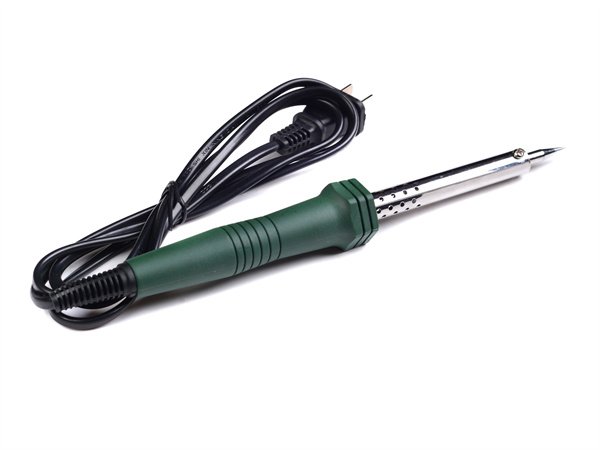
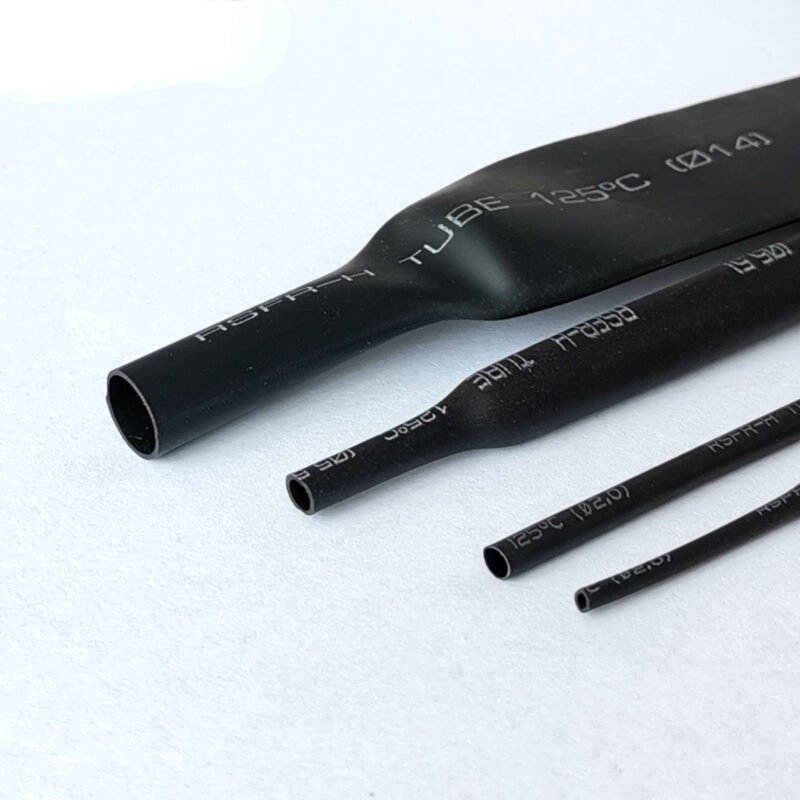
The first step in wiring an LED push button switch is ensuring you have the right tools at your disposal. Your toolkit should include wire strippers, soldering iron, heat shrink tubing, and of course, the LED push button switch itself. Quality matters, so invest in components that guarantee durability and reliability.

Step 2: Know Your LED

It’s important to know what LED you’re using. Leds come in different voltages and colors. Check the specifications to determine voltage requirements and choose a color that suits your aesthetic or functional preferences. Remember, the precision here ensures longevity.

The Wiring Process

Now, let’s dive into the nitty-gritty of wiring.

Step 3: Strip it Right

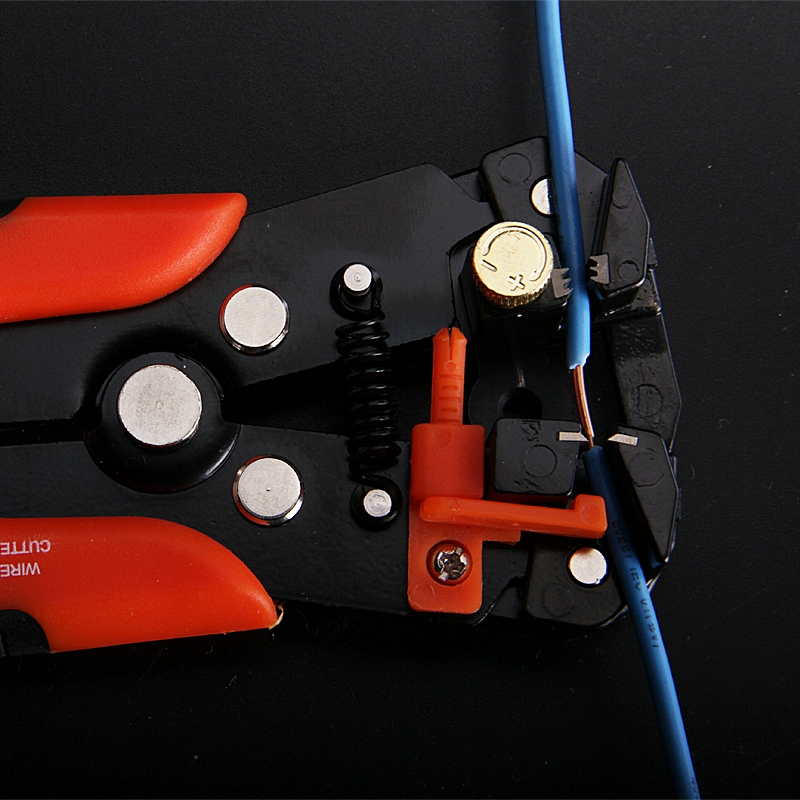
Begin by carefully stripping the insulation from the wires. Precision is key; expose enough of the conductor without risking damage. This step sets the foundation for a secure and efficient connection.

Step 4: Soldering Magic

With the wires ready, it’s time to engage in the art of welding. Carefully solder the wire to the specified terminal on the LED pushbutton switch. A steady hand and a controlled soldering iron are your Allies in this job.

Step 5: Reinforce with heat shrink tube

To fortify your connections and ensure insulation, slide heat shrink tubing over the soldered joints. Apply heat evenly using a heat gun, and witness the tubing snugly embrace the connection points, creating a robust and secure assembly.

Troubleshooting Tips

Tip 1: Check the Polarity

LEDs are polarized, meaning they have a specific positive and negative terminal. Ensure you’ve correctly identified these terminals to prevent flickering or ineffective illumination.

Tip 2: Voltage Compatibility

Double-check the voltage compatibility between your LED and power source. Mismatched voltages can lead to premature LED failure.

Conclusion

Wiring an LED push button switch is a gratifying experience that melds functionality with aesthetics. By adhering to these meticulous steps, you not only ensure a seamless process but also pave the way for an enduring and visually appealing electronic setup.

Kind reminder:

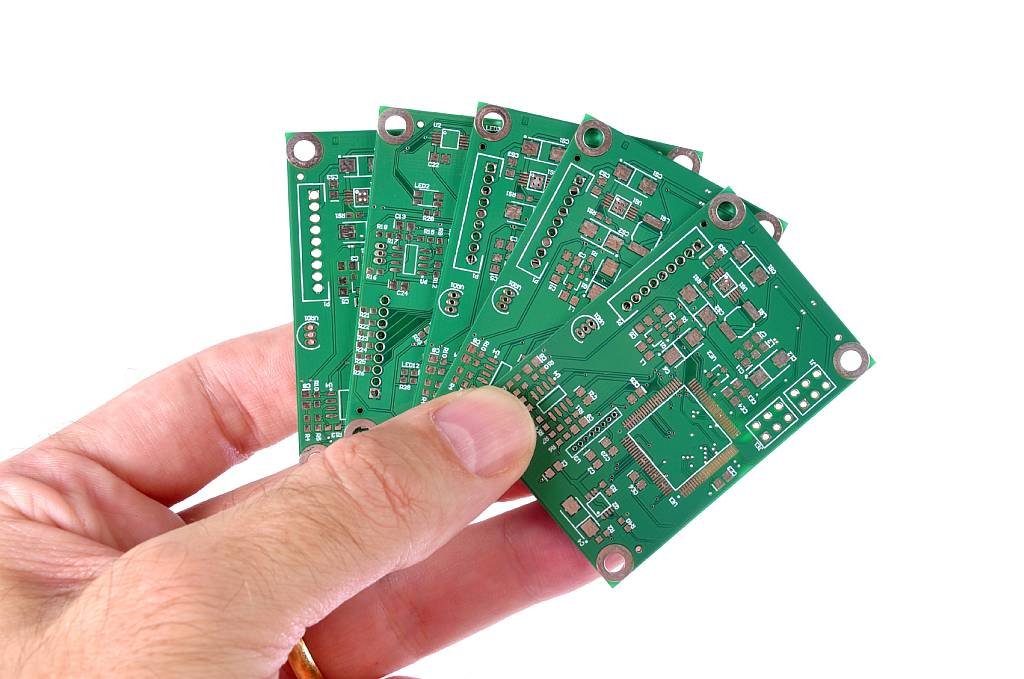
This welding method is only suitable for the initial stage of product testing. To ensure the best performance of the button switch and your product, we recommend that you use PCB welding for installation.

Introduction:

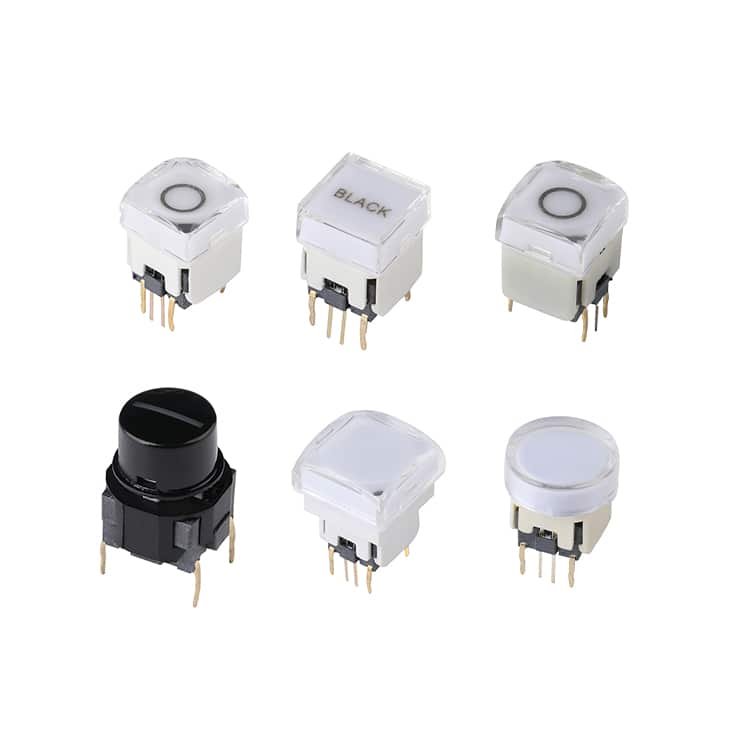
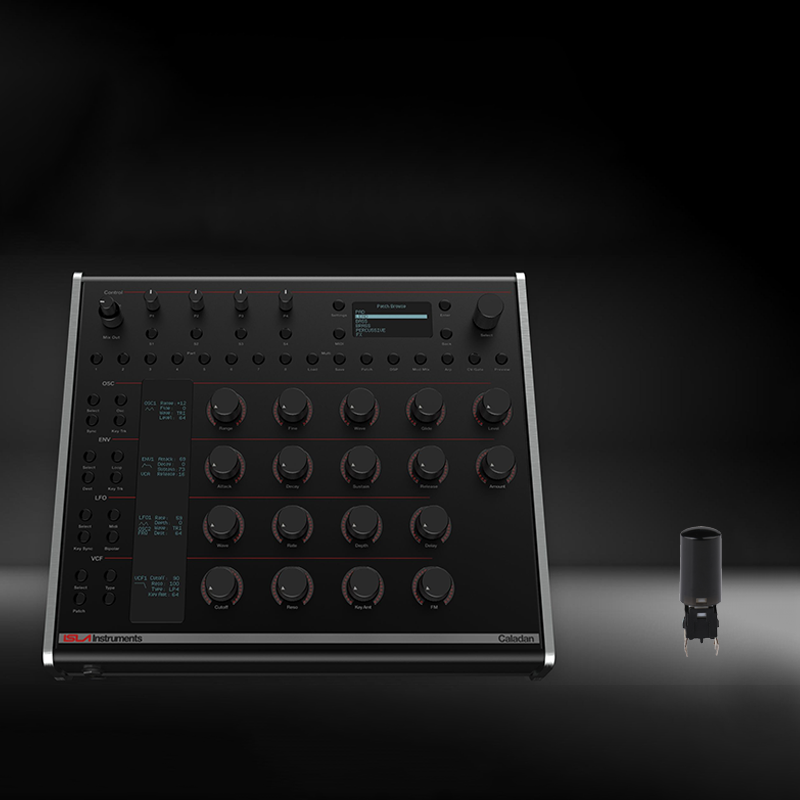
The TL2 Series LED tactile button switch has garnered significant attention due to its exceptional performance, versatility, and sleek design. In this article, we will explore the remarkable features of our TL2 Series illuminated tactile switch, renowned for its sharp tactile response, customizable illuminated cap options, and long-lasting durability. With options for single or double LED colors and a PC board mounting design, this switch offers a tailored solution for various industries and applications. Let’s dive into the details and discover the power of our TL2 Series LED tactile button switch.

Illuminated Cap Options and Tactile Response:

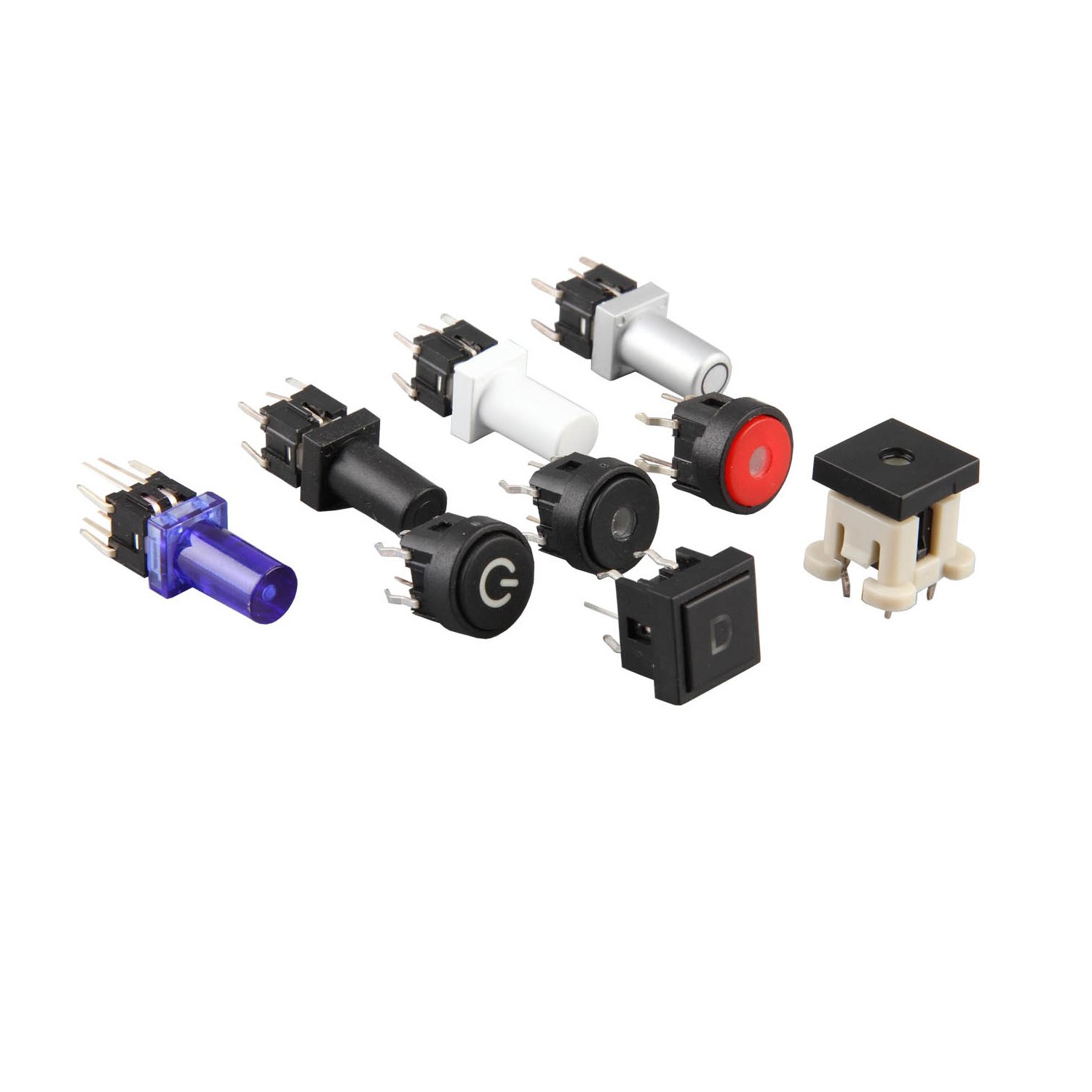
The TL2 Series LED tactile button switch offers multiple illuminated cap options, allowing for customization and visual appeal. With the ability to include custom graphics, you can create a unique and branded user interface. The switch’s illuminated caps provide clear and vibrant indicators, enhancing user interaction and visibility in various environments. Additionally, the switch’s sharp tactile response ensures precise and satisfying feedback with every press, enhancing the user experience.

Single or Bicolor LED Options:

To cater to different design requirements, our TL2 Series LED tactile button switch is available with options for single or bicolor LEDs. The single LED option provides consistent color illumination, while the bicolor LED option allows for dual-color combinations, offering additional visual indicators or customization possibilities. Choose the LED configuration that best suits your application’s needs or aesthetic preferences.

Long Life Expectancy and Temperature Range:

Engineered for durability, the TL2 Series tact switches boast an impressive life expectancy of 500,000 cycles. This robust construction ensures reliable and long-lasting performance, even in demanding applications. Operating in temperatures ranging from -40 to 85°C, these switches are designed to withstand extreme conditions, making them suitable for a wide range of industries and environments.

Applications:

The TL2 Series illuminated tactile button switch finds applications in various industries and sectors. Its versatility and performance make it an ideal choice for:

Consumer Electronics: From handheld devices to home appliances, the TL2 Series switch provides a tactile and visually appealing interface for consumer electronics, enhancing user satisfaction.

Audio/Visual: In audio and visual equipment, the illuminated tactile switch offers intuitive control and clear visual indicators, optimizing user experience.

Medical: The TL2 Series switch’s durability and tactile feedback make it suitable for medical devices, where reliability and ease of use are paramount.

Computers/Servers: From desktop computers to server systems, the TL2 Series tactile switch provides a reliable and responsive user interface, enhancing efficiency and control.

PCB Mounting Design:

The TL2 Series LED tactile button switch features a PCB mounting design(SMT and THT), ensuring easy and secure installation on printed circuit boards. This design simplifies the integration process and provides a stable and reliable connection, guaranteeing optimal performance.

Conclusion:

With its sharp tactile response, customizable illuminated cap options, and long-lasting durability, the TL2 Series LED tactile button switch stands as a reliable and versatile choice for various industries and applications. Whether you require a single or bi-color LED option, the switch’s tactile feedback and clear visual indicators enhance user interaction and control. Embrace the power of our TL2 Series LED tactile button switch and elevate your devices with precision, reliability, and user satisfaction.

If you want the TL2 series of LED button switches to help your products stand out, please click here to contact us.

Shopping Cart

Get In Touch

Request A Quote