Modern electronic devices are becoming smarter, more interactive, and easier to operate. From broadcast production switchers and modular synthesizers to industrial automation systems and medical equipment, users expect intuitive controls with clear visual feedback.
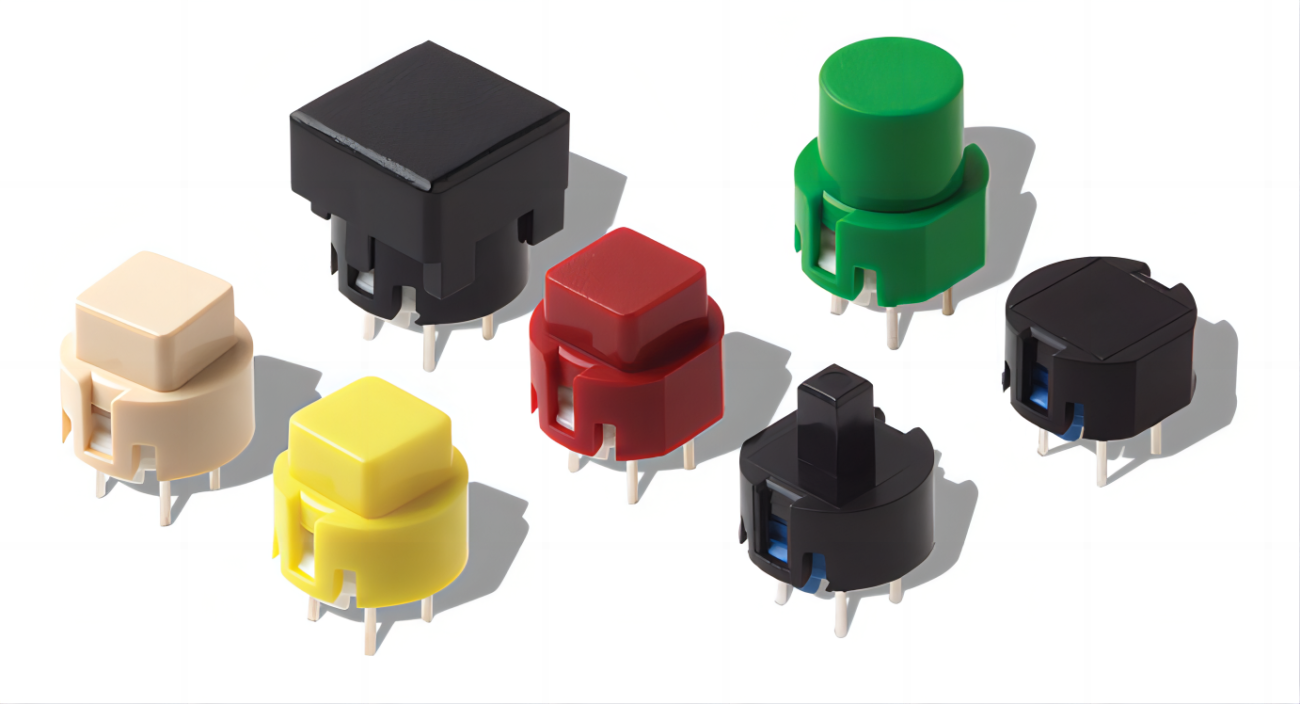
One component that has become increasingly popular across these industries is the illuminated push button switch.
But what exactly is an illuminated push button switch, and why are engineers and product designers choosing it over traditional buttons?
This guide explains everything you need to know.
What Is an Illuminated Push Button Switch?
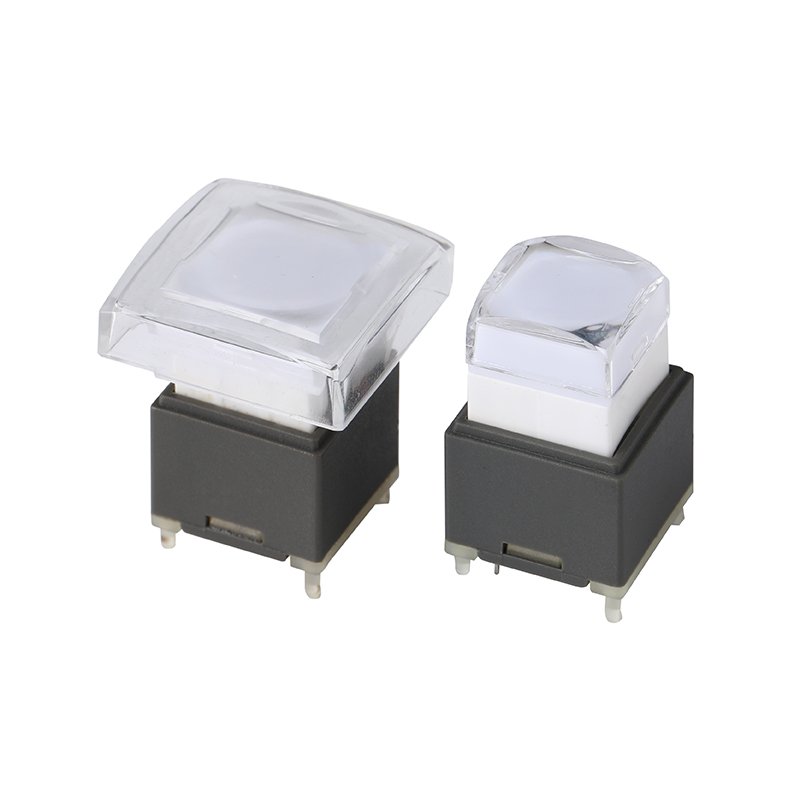
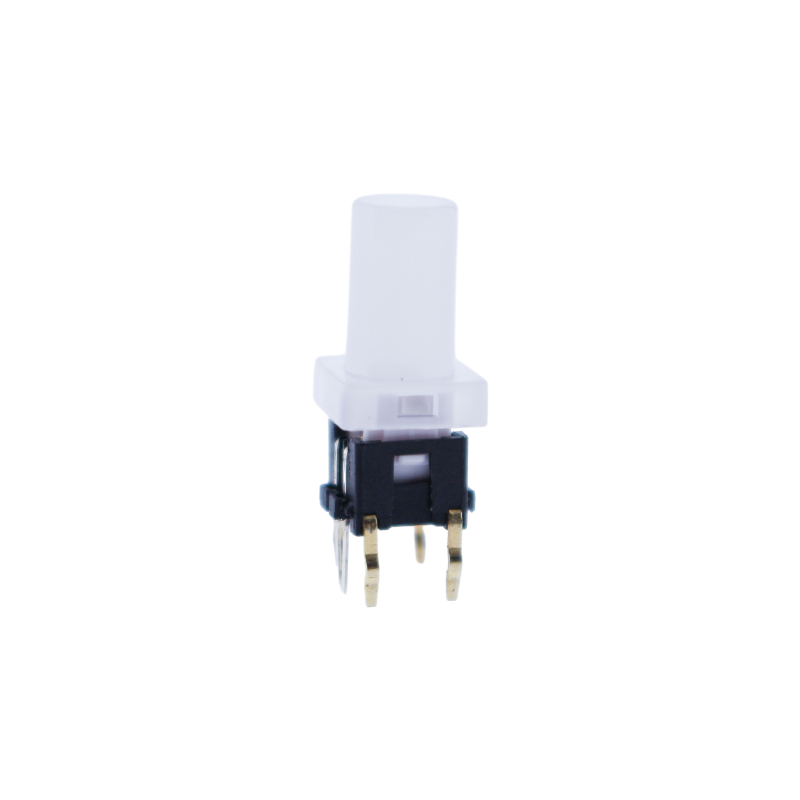
An illuminated push button switch is a mechanical switch that combines two functions into one component:
Mechanical switching
Integrated LED illumination
Unlike conventional push buttons, illuminated versions provide both tactile feedback and visual indication.
When the button is pressed, it activates an electrical circuit while the built-in LED can indicate system status, operating mode, or user interaction.
Typical illumination options include:
Single-color LEDs
Bi-color LEDs
RGB LEDs
Addressable RGB LEDs
This combination improves usability and enhances the appearance of electronic equipment.
How Does an Illuminated PushButton Switch Work?
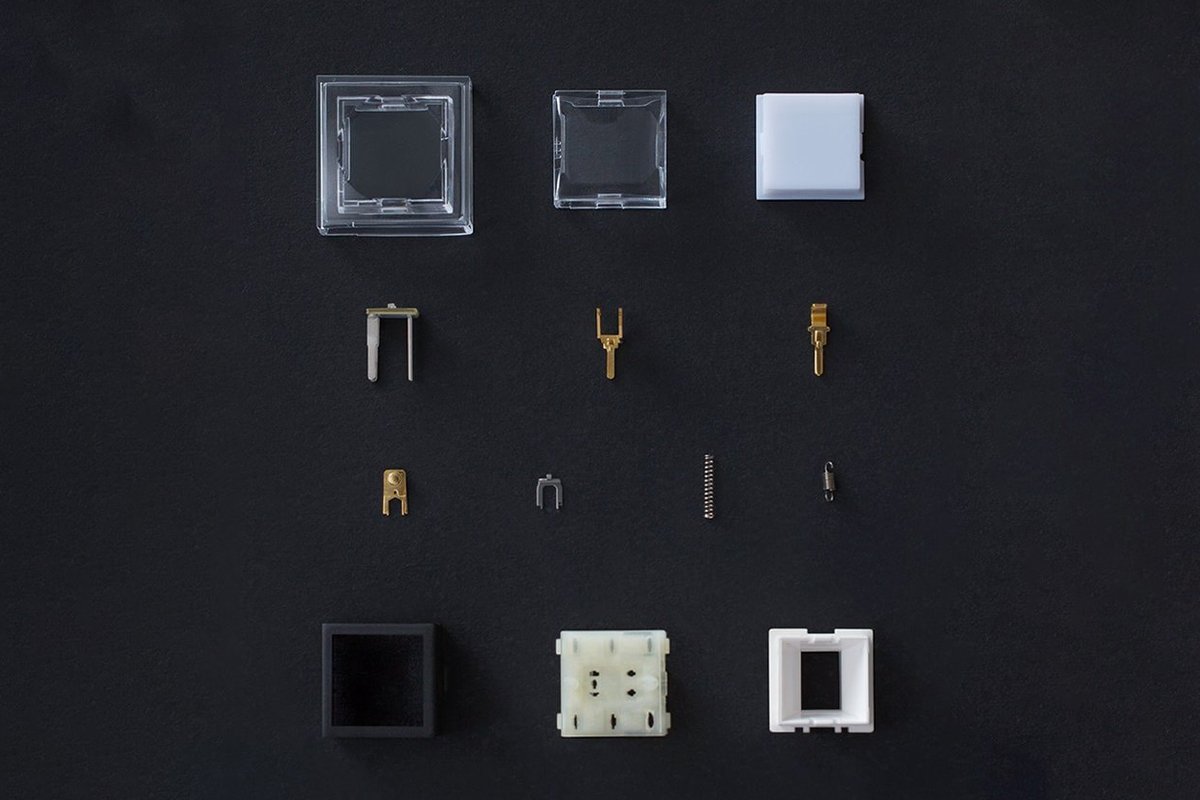
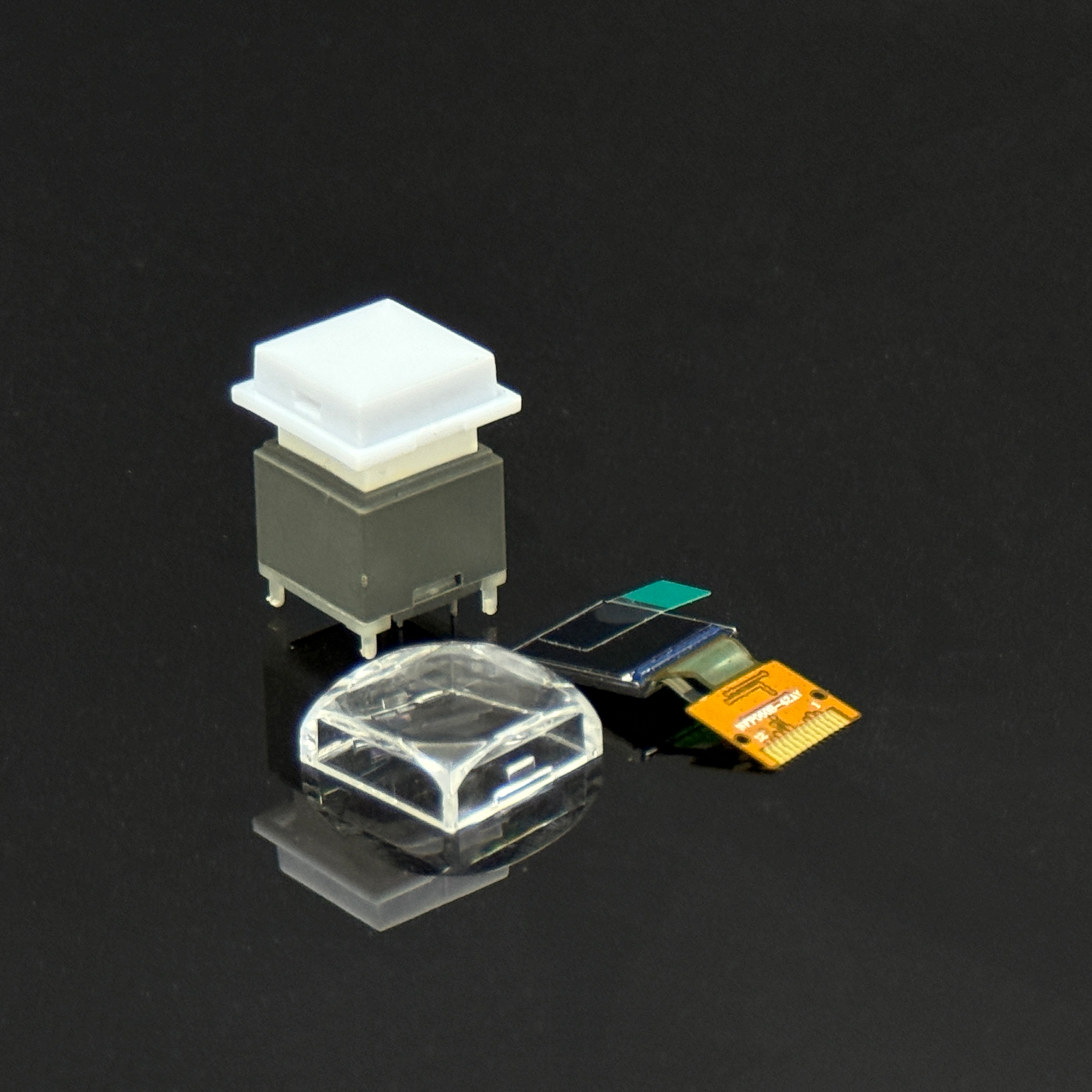
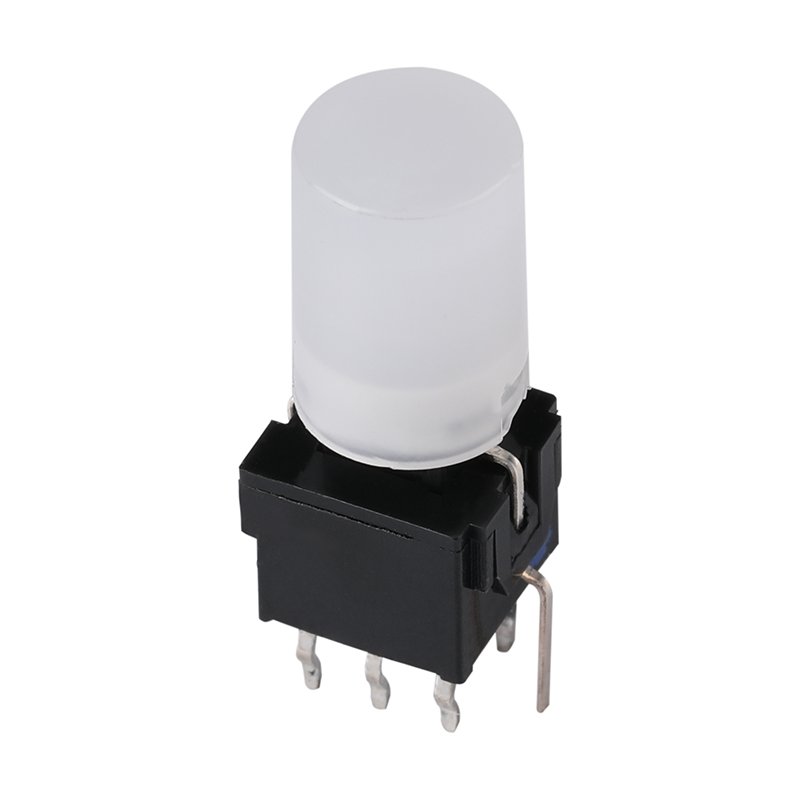
An illuminated push button consists of several key parts:
Button Cap
The visible surface that users press.
Mechanical Contact
Completes or breaks the electrical circuit.
LED Module
Provides visual feedback.
Housing
Protects internal components and supports mounting.
Terminals
Connect the switch and LED to the PCB or wiring harness.
The LED circuit and switch circuit may operate independently, giving designers greater flexibility.
Why Use Illuminated Push Button Switches?
There are several reasons why illuminated buttons have become an industry standard.
Better User Experience
Visual indicators reduce confusion and improve workflow.
Faster Operation
Operators can quickly identify active functions.
Improved Safety
Critical controls can be highlighted.
Modern Appearance
RGB lighting and customizable colors improve product aesthetics.
Enhanced Branding
Manufacturers can customize colors to match their product identity.
Common Types of Illuminated PushButton Switches
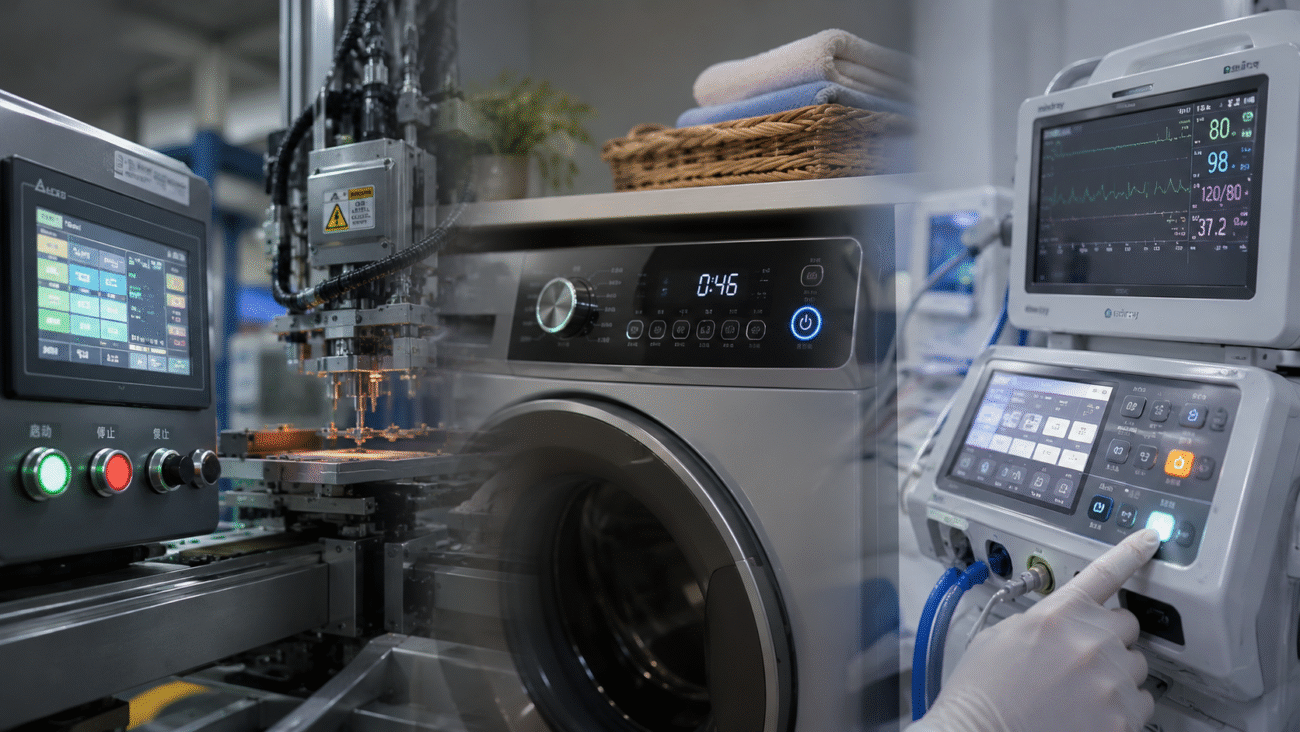
Single-Color
Industrial machines
Home appliances
Medical equipment
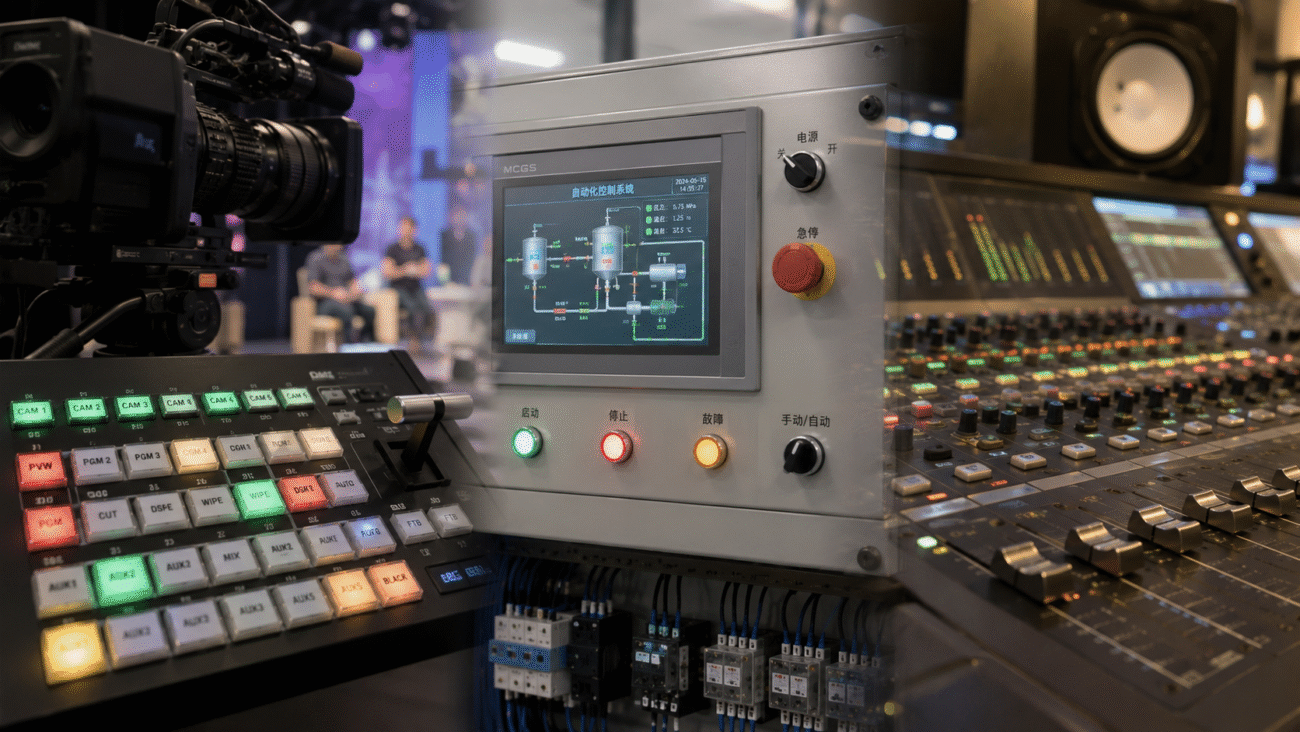
Bi-Color LED
Broadcast equipment
Control systems
Audio consoles
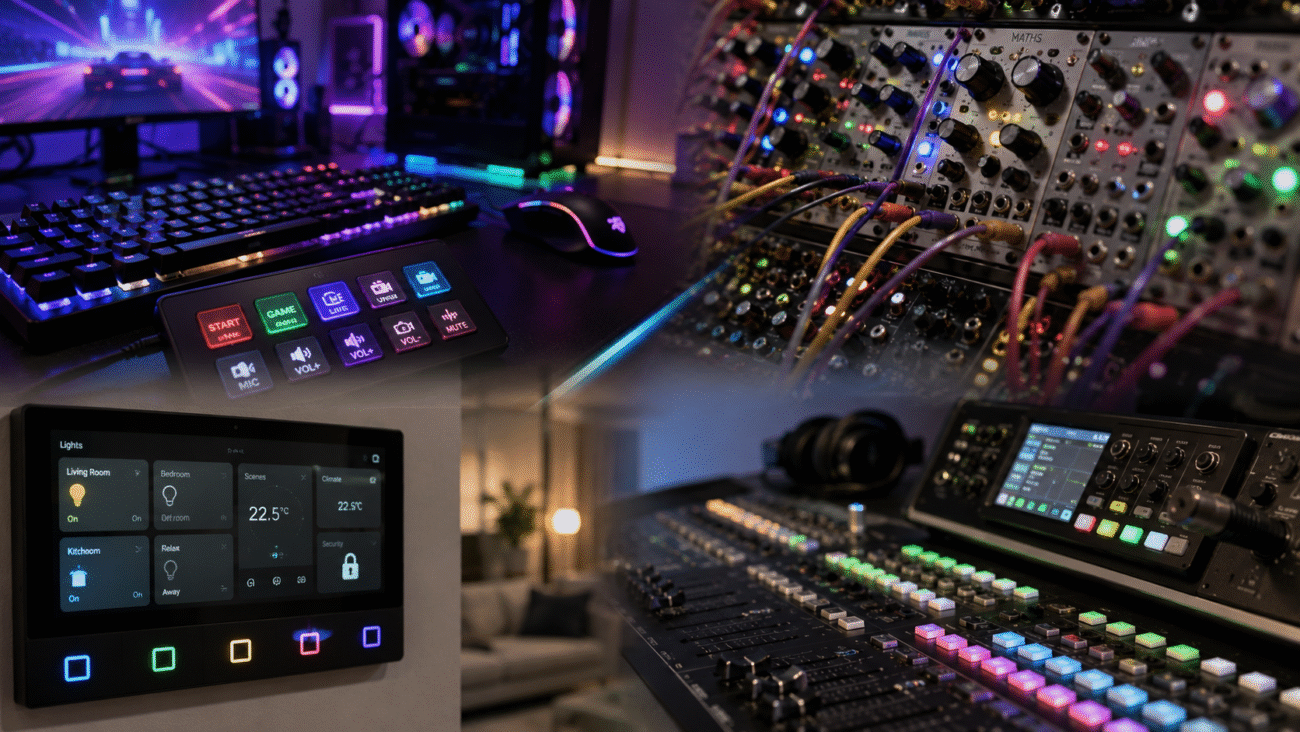
RGB Illuminated Switches
Gaming hardware
Modular synthesizers
Smart control panels
Professional audio equipment
Illuminated Push Buttons vs Traditional Push Buttons
Feature
Illuminated
Traditional
Visual Feedback
Yes
No
User Experience
Excellent
Basic
Status Indication
Yes
No
Customization
High
Limited
Modern Appearance
Excellent
Standard
Frequently Asked Questions
What is an illuminated push button switch?
It is a push button that combines mechanical switching with integrated LED lighting.
What are RGB illuminated switches?
They use red, green, and blue LEDs to create multiple colors for visual feedback.
Where are illuminated push buttons commonly used?
Common applications include:
Broadcast equipment
Modular synthesizers
Industrial automation
Medical devices
Audio consoles
Smart home products
Are illuminated push buttons reliable?
High-quality illuminated switches are designed for hundreds of thousands or even millions of operating cycles.
Can illuminated switches be customized?
Yes. Many manufacturers offer custom cap shapes, colors, legends, laser engraving, and RGB illumination options.
Conclusion
An illuminated push button switch is much more than a simple input device. It combines tactile operation with visual communication, helping users interact with modern electronic equipment more efficiently and confidently.
Whether used in broadcast production, electronic music hardware, industrial automation, or medical equipment, illuminated push buttons improve usability, aesthetics, and overall product performance.
As control interfaces continue to evolve, illuminated switches will remain an essential component in the next generation of smart electronic systems.
Quick Answer
An LCD display push button switch combines a mechanical pushbutton with a small programmable display, allowing one physical key to show dynamic labels, icons, menus or device status. For broadcast control panels, audio mixers, video switchers, industrial HMIs and electronic music equipment, the right choice depends on six factors: display type, resolution, interface, backlight control, mechanical life, and customization support.
For most projects, a LCD pushbutton is a practical choice when the button needs text, icons and status labels. A TFT display pushbutton is better when the user interface requires full-color graphics, logos, animations or richer visual feedback. An OLED pushbutton is useful when high contrast, silent operation or compact display size matters. If the button does not need to show text or graphics, an RGB illuminated pushbutton may be more cost-effective than a true display switch.
What Is an LCD Display Push Button Switch?
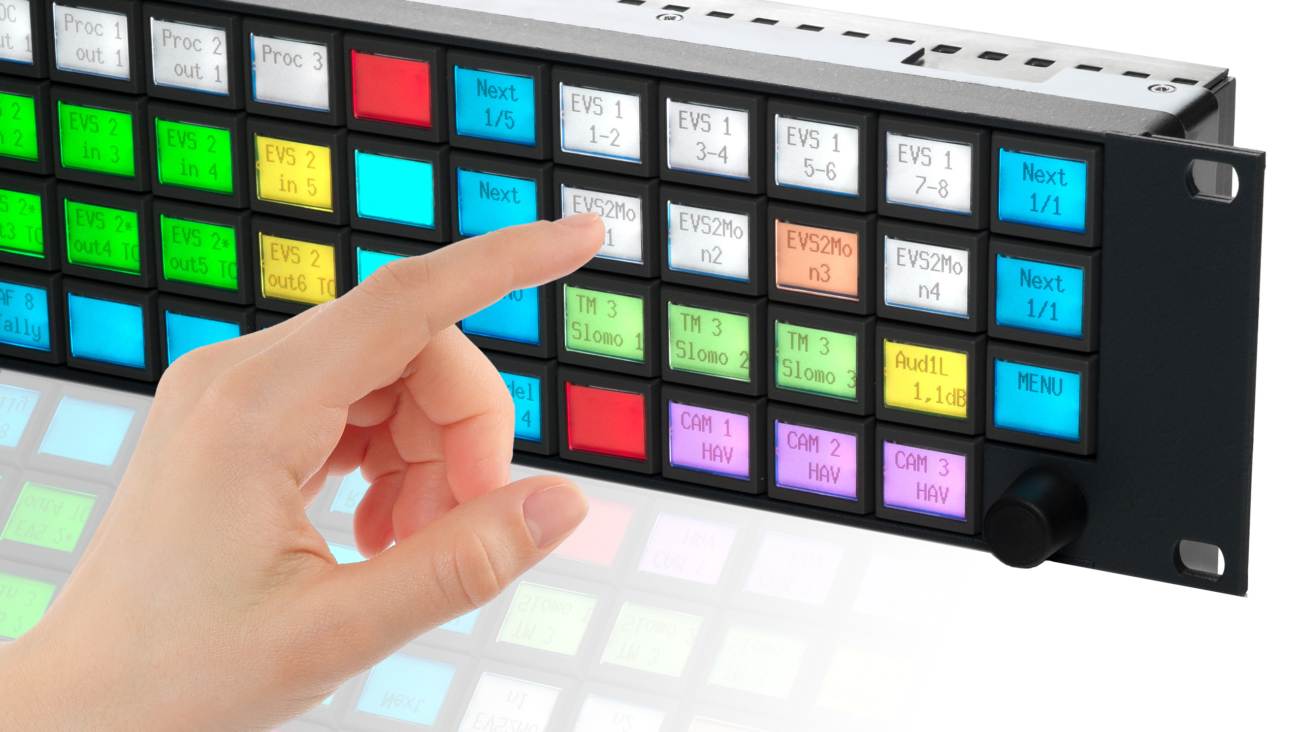
An LCD display push button switch is a programmable switch with an integrated LCD module inside the button cap. Instead of printing a fixed legend on the cap, engineers can update the button label through software. This makes it possible to use one panel layout for multiple modes, languages, workflows or product variants.
These switches are especially valuable when panel space is limited. A video switcher, audio console or industrial controller may need dozens of functions, but the operator only needs to see the active commands for the current mode. A programmable display button solves that problem by turning each button into a small, dynamic interface.
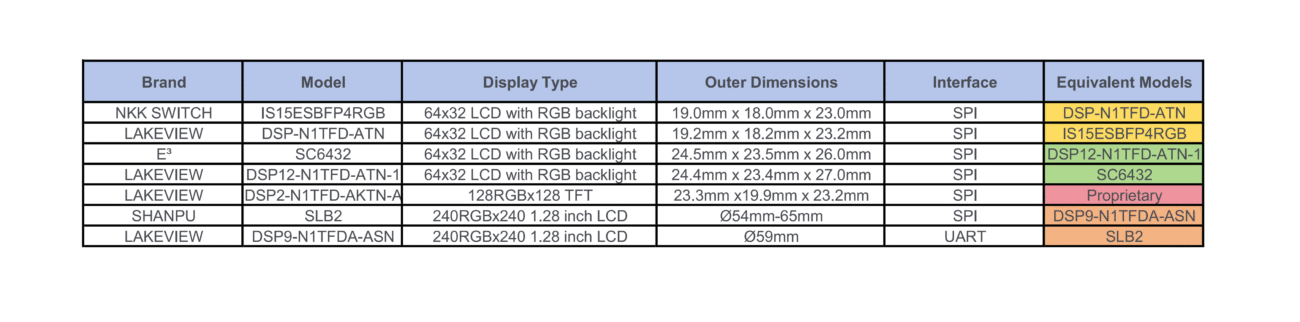
Market Comparison at a Glance
The following comparison focuses on publicly available product information. Always confirm final specifications, pinout, lifetime, firmware requirements and mechanical fit with the latest datasheet before designing a PCB or replacing an existing switch.
Key Buying Criteria
1. Display Technology: LCD and TFT
Choose a 64×32 LCD pushbutton when the button needs clear text, symbols and status icons. This is common in broadcast switchers, rack controllers and audio products where the same key may represent different functions in different modes.
Choose a TFT display pushbutton when the interface needs full-color graphics, logos, thumbnails, meters or richer visual states. Lakeview’s DSP2 Series, for example, is positioned around a 128×128 TFT screen programmable via SPI.
2. Resolution and Readability
Resolution is not just a number. A 64×32 LCD can be enough for short labels, arrows, numbers and simple icons. A 128×128 TFT can support much more detailed visual content.
Before choosing a switch, test the actual label size, viewing angle, font, icon style and backlight level in the expected lighting environment.
3. Interface and Firmware Workload
Most programmable display buttons require the host PCB and firmware to control display content. SPI is common for LCD and TFT display switches, while some OLED pushbuttons use I2C.
For a low-risk design-in, ask these questions:
Does the supplier provide a datasheet, command set and sample code?
Is there an evaluation board or controller?
Can multiple buttons be controlled efficiently on one PCB?
What display update speed is required?
How many pins and terminals are needed?
Is the switch compatible with the existing panel, socket or PCB footprint?
4. Mechanical Feel and Lifetime
Display buttons are not only screens; they are switches that operators press repeatedly. For broadcast, stage, DJ, pro-audio and industrial control products, tactile feel and lifetime matter.
5. Customization and OEM Support
For OEM buyers, customization is often more important than a single datasheet value. A standard part may work for a prototype, but production products often need custom cap height, legend style, actuator feel, connector, PCB footprint, color behavior, packaging or firmware guidance.
Lakeview is especially relevant for OEM teams looking for LCD/OLED display buttons, RGB LED pushbuttons and custom switch solutions for broadcast, AV and electronic music equipment. Direct manufacturer support can also help when a project needs lower MOQ discussions, engineering changes or a dedicated sample process.
6. Replacement Risk: Do Not Compare by Resolution Only
Many engineers search for terms such as “NKK IS15 alternative” or “E3 SB6432 replacement.” This is understandable, especially when a product is hard to source or a design needs a lower-cost or customized option. However, resolution alone does not make two switches interchangeable.
Before replacing any LCD keyswitch, compare:
Outer dimensions and panel cutout
PCB footprint and pinout
Operating voltage and current
Contact rating
Display protocol and command set
Backlight control method
Viewing area and active area
Key travel and operating force
Socket, cap and mounting structure
Firmware changes required
A good alternative should be selected by both mechanical fit and electrical compatibility, not by product name alone.
Recommended Choices by Application
For broadcast control panels: choose a 64×32 LCD pushbutton or a full-color TFT pushbutton if the operator needs changing labels, source names, tally status or mode-specific commands.
For audio mixers and electronic music equipment: choose compact LCD, OLED or RGB illuminated pushbuttons depending on how much information the key must display. Silent or smooth tactile feel may be important in studio environments.
For industrial HMIs: prioritize readability, mechanical life, IP rating, stable supply and clear documentation. A display rotary encoder may be useful for menu navigation.
For cost-sensitive panels: use RGB LED pushbuttons when the button only needs color status. Use true LCD/OLED/TFT display pushbuttons only where dynamic labels or graphics add real user value.
For replacement projects: start with the original datasheet, then request a side-by-side compatibility review from the new supplier. Do not rely on online photos or resolution claims alone.
Lakeview Positioning
Lakeview focuses on display button switches and LED push button switches for OEM control panels. Its product range includes 64×32 LCD display pushbuttons, 128×128 TFT programmable momentary pushbuttons and RGB illuminated pushbutton switch series. For customers building broadcast equipment, audio/video products, instrumentation, telecommunications devices or electronic music hardware, Lakeview can be positioned as a flexible manufacturer for display buttons and customized illuminated switches.
If your project is comparing NKK, E3, RJS, SHANPU, E-Switch, Well Buying and Lakeview, the most important question is not “Which brand is best?” The better question is: “Which switch gives our product the right display, feel, firmware workload, mechanical fit, customization support and long-term supply?”
FAQ
What is the difference between an LCD pushbutton and an RGB LED pushbutton?
An LCD pushbutton has a programmable screen inside the button, so it can show text, icons or changing labels. An RGB LED pushbutton does not display graphics; it uses colored light to show status. If you only need red, green, blue or custom color feedback, an RGB LED button may be enough. If you need dynamic labels, choose an LCD, OLED or TFT display pushbutton.
Is a 64×32 LCD display enough for a control panel?
Yes, for many control panels. A 64×32 LCD can show short labels, icons, numbers and status symbols. For logos, images, detailed graphics or richer UI states, a 128×128 TFT display button may be a better choice.
Can Lakeview display buttons replace NKK or E3 switches?
In some projects, Lakeview display buttons may be considered as an alternative, but replacement must be checked carefully. Compare dimensions, pinout, interface, voltage, firmware protocol, cap structure, operating force and mounting method before making any change.
Which interface is common for programmable display pushbuttons?
SPI is common for LCD and TFT display pushbuttons. Some OLED pushbuttons use I2C. Always check the supplier’s latest datasheet and confirm whether sample code or an evaluation board is available.
Are OLED pushbuttons better than LCD pushbuttons?
Not always. OLED can provide strong contrast and compact readability, but LCD pushbuttons are widely used for reliable dynamic labels, and TFT pushbuttons are better for full-color graphics. The right choice depends on the panel environment, display content, lifetime expectations and budget.
What should OEM buyers ask before ordering samples?
Ask for the datasheet, mechanical drawing, pinout, command set, electrical rating, display lifetime, mechanical lifetime, MOQ, lead time, customization options, sample availability and recommended PCB design notes.
Conclusion
If you are designing a new control panel or replacing an existing LCD keyswitch, start with the application: what must the operator see, how often will the button be pressed, how much firmware work is acceptable, and what mechanical constraints must be respected? Once those questions are clear, choosing the right LCD display push button switch becomes much easier.
Trademarks and product names belong to their respective owners. This article is for technical comparison and product selection only. Lakeview is not affiliated with NKK, E3 or SHANPU, unless expressly stated.
By the Lakeview Team
Let’s be honest: NAMM is loud. It’s a beautiful, chaotic symphony of shredding guitars, thumping bass synths, and enough espresso-fueled networking to power a small city. And we wouldn’t have it any other way.
Last year, Lakeview showed up as the “Catfish” in the pond—the new kids from the broadcast world looking to stir up the music tech scene with some high-performance hardware. We came, we saw, and we clicked. (Literally. Thousands of times.)
After a year of collaborating with some of the most brilliant synth designers and pedal builders in the industry, we’re headed back to Anaheim for NAMM 2026. This time, we’re not just stirring the water; we’re bringing the lightning.
Why Does a Switch Matter? (Ask Your Fingers)
You’ve spent months perfecting your circuit. You’ve found the “holy grail” of tone. But if a musician hits your button and it feels like mush—or worse, it doesn’t trigger at all—the magic is gone.
At Lakeview, we’re obsessed with the “Tactile Soul” of music gear. We believe that the bridge between a creator’s finger and their sound should be crisp, reliable, and—let’s face it—really cool to look at.
The 2026 Lineup: What’s New at the Booth?
We’ve been busy in the lab. Here’s a sneak peek at what we’re bringing to the show floor this year:
The TL16 Series (The “Disco Ball” of Buttons): Our upgraded R6-style buttons now feature fully addressable WS2812 LEDs. Want your control surface to pulse in time with the BPM? Or change colors based on velocity? These buttons don’t just sit there; they perform.
The LCD Smart Switch: Say goodbye to masking tape labels on your console. Our latest display switches allow for high-res icons and text right on the button. It’s space-age tech for the modern workflow.
Encoders Smooth as Butter: Our RGB LED rotary encoders are back and better than ever. Perfect for parameter tweaking where precision is everything and “feeling” the increment is a must.
Let’s Talk Shop and Gear
We aren’t just a factory; we’re your R&D partners. Whether you’re a boutique pedal maker working out of a garage or a massive synth brand looking for 100,000 units of a custom-color cap, we speak your language.
We know that in the music world, “good enough” isn’t an option. It has to be tour-grade, stage-ready, and aesthetically “vibey.”
Come Find Us!
If you’re going to be in Anaheim, come say hi. We’ll have all our latest tech out for you to click, twist, and light up. We promise the tactile feedback will be the most satisfying thing you experience all week (besides that one legendary synth jam you’ll inevitably stumble into).
Where: Anaheim Convention Center
Booth:11450
When: January 22-24, 2026
Can’t wait for the show? Drop us a line [here] to schedule a private walkthrough at the booth.
Let’s make some noise in 2026. See you in Anaheim!
At Lakeview, every product launch is more than just a technical achievement—it’s an opportunity to connect with our partners and share the next step in our journey together. This year, we’re excited to invite you to meet not one, but two brand-new solutions, both designed to inspire fresh possibilities in the broadcast industry.
Mechanical Joystick Push Button Switch
Developed in response to customer demand for alternatives to long-lead-time and high-cost options
In June this year, one of our long-term customers reached out to us regarding a pushbutton switch for use in a mechanical joystick. They are currently using products from OTTO and ITW, but mentioned that the lead times for these switches are quite long and the prices are high. They asked if we could assist in developing a suitable alternative. Ideally, they are also looking for potential improvements in performance and functionality compared to their existing solution.
We have now completed the mold design and development and are currently fine-tuning the mechanical lifespan and tactile feel of the switch. To meet the diverse needs of our customers, we plan to offer multiple tactile options as well as both momentary and latching switch versions. In addition, the LED indicator can be customized to fit specific design requirements.
It’s not just a replacement—it’s a next-level switch experience, purpose-built for demanding broadcast and industrial environments.
The Display-Integrated Push Button Switch
Built on our proven PLC series LED switches, this new version integrates a high-resolution TFT display screen directly into the switch. What does this mean for you?
Simpler procurement: no need to source separate display modules
Easy panel upgrades: identical panel cutout dimensions as existing PLC switches, with only minimal PCB adjustments required
With this innovation, control panels can now be smarter, clearer, and more efficient—without the burden of redesigning from scratch.
The Big Reveal at IBC 2025
We can’t wait to introduce these two innovations in person at IBC 2025 in Amsterdam. As the broadcast industry’s premier global event, IBC is the perfect place to see, touch, and experience what these products can bring to your future designs.
Visit our booth and join us for this special unveiling moment—a firsthand look at how Lakeview is shaping the future of broadcast control solutions.
Looking Ahead Together
For decades, Lakeview has been a trusted partner in the broadcast industry. Our mission is simple yet powerful: to deliver better products and better service, continuously and consistently.
With these two new launches, we’re not just adding products to our catalog—we’re reaffirming our commitment to broadcasters and equipment manufacturers worldwide.
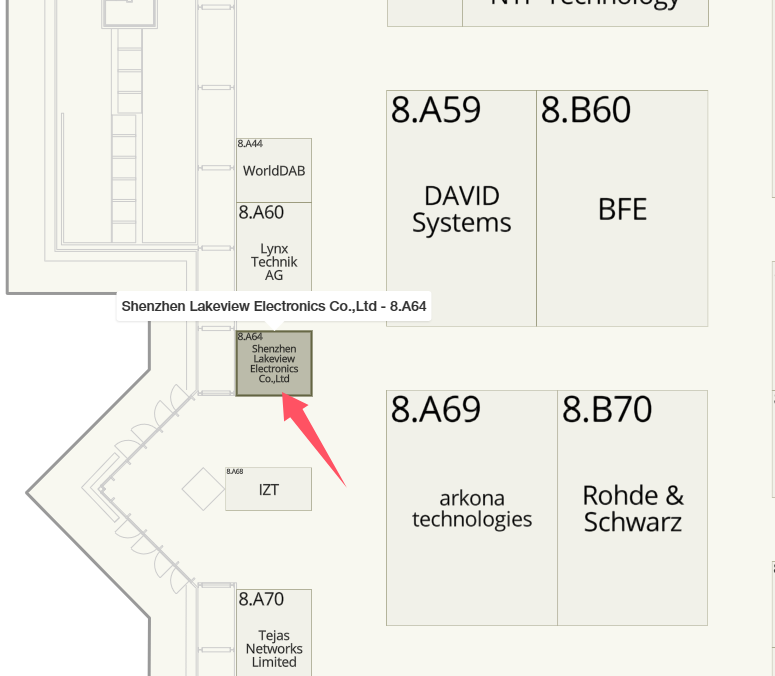
Let’s celebrate innovation together at IBC. Customer Code IBC8083, Booth:8.A64 We look forward to welcoming you
As the broadcasting industry continues to evolve with cutting-edge technology, Lakeview is proud to showcase our latest innovations at NAB Show 2025. We are firmly committed to supporting the future of live production, video switching, and control panel user input solutions, redefining the possibilities of LED buttons and display screen buttons designed for next-generation workflows.
Adapting to the Future of Broadcasting
The rise of IP-based workflows, cloud production, and AI-driven automation is transforming the way broadcasters and content creators operate. At Lakeview, we recognize the importance of designing high-quality, customizable, and reliable control panel solutions that seamlessly integrate with modern broadcasting environments.
Innovative Solutions for Live Production
At NAB Show 2025, we will introduce the DSP12 Series LCD Display Buttons and the 2RU-Sized LCD Touch Panel. Key innovations include:
DSP12 Series LCD Display Buttons – Featuring a larger size compared to the compact DSP series, these buttons provide a reliable alternative for users previously utilizing the E³-produced SB6432.
2RU Touch Panel – An industrial-grade, fully laminated TFT screen with a broader operating temperature range, higher resolution, and a more autonomous driving method compared to similar products.
Durable and High-Performance Designs – Built for 24/7 operation, our buttons feature long-lasting mechanical endurance and resistance to wear and tear.
Seamless Integration with Industry Leaders
Lakeview is committed to delivering solutions that work effortlessly with leading broadcast equipment manufacturers, including EVS, Vizrt, and Imagine Communications. Our LED buttons and display screen buttons ensure smooth operation with industry-leading video switchers and control panels.
Sustainability and Energy Efficiency
As sustainability becomes a priority for broadcasters, Lakeview is dedicated to producing energy-efficient and eco-friendly solutions. Our low-power LED buttons reduce energy consumption without compromising performance, supporting the industry’s shift towards greener technology.
Visit Us at NAB Show 2025
Join us at NAB Show 2025 to experience the future of broadcasting firsthand. Our team will be available to demonstrate our latest innovations and discuss how Lakeview’s custom control panel solutions can enhance your production workflow.
Stay tuned for more updates, and we look forward to seeing you at NAB Show 2025!
As first-time exhibitors at the NAMM Show, Lakeview is excited to introduce our innovative button switches into the world of music technology. Having been active in the broadcast and television industries, our goal now is to bring the same level of precision and creativity to the music equipment sector. Like the catfish that stirs the waters, we hope to inspire innovation and open new possibilities for music professionals around the globe.
The NAMM Show has long been the heartbeat of the music industry—a place where ideas collide and new technologies are born. As a manufacturer of high-quality button switches, our products have already played a key role in the broadcast industry, and we believe they can also drive the development of next-generation music equipment.
At Lakeview, our commitment to innovation and quality is what drives us. Our switches are renowned for their durability, responsiveness, and ease of integration, making them perfect for a wide range of applications, including professional audio equipment, music synthesizers, and sound control panels.
Our product lineup includes:
PLA Series: Available in both momentary and self-locking types, providing signal-holding functionality for devices.
PLC Series: The most commonly used switch on video switcher panels, known for its excellent tactile feedback and classic feel, with many harmonizers and MIDI keyboards now testing this type of switch.
TL1 Series and TL2 Series: Compact designs with a variety of cap sizes; the main difference lies in the pin layout.
TL3 Series: Quiet yet providing clear tactile feedback, commonly used in mixing consoles.
TL12 Series: A step up from the 12*12mm switches, known for their sleek appearance and crisp tactile feel, ideal for synthesizers and MIDI keyboards.
TL16 Series: An upgraded version of the traditional R6 button, featuring addressable LEDs and gold-plated pins, offering enhanced stability, longevity, and aesthetics.
However, our mission goes beyond simply showcasing our products. We want to inject fresh energy into the industry, much like the catfish that keeps the waters moving. The music industry, like any creative field, thrives on continuous change and improvement. By introducing cutting-edge switch technology into new applications, we aim to inspire fresh ideas and encourage others to push the boundaries of what’s possible in music technology.
At NAMM 2025, we’ll be ready to engage with industry leaders, share insights, and learn from the best in the business. We look forward to connecting with musicians, engineers, and tech enthusiasts who are as passionate about innovation as we are. Whether you’re looking for high-performance switches for your audio control systems or seeking a partner to bring your ideas to life, we’re excited to see what we can create together.
As we prepare for this exciting journey, we invite you to join us at NAMM 2025 and be part of the wave of change we’re bringing to the music equipment industry. Let’s make some noise, stir the waters, and bring new vitality to the world of music technology.
We look forward to seeing you at Booth 1442, see you at NAMM 2025!
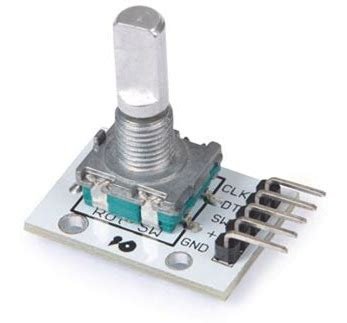
What is Rotary Encoder?
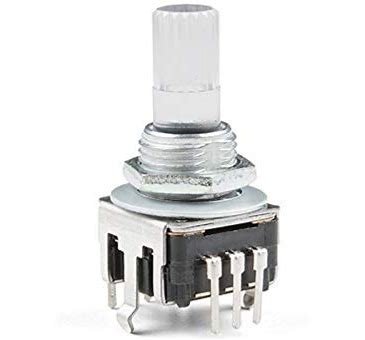
A rotary encoder is an electro-mechanical device that converts the rotational position or movement of a shaft into an analog or digital signal. It is commonly used to measure the angular position, speed, and direction of a rotating object. Rotary encoders are essential in many industries, including robotics, automotive, industrial machinery, consumer electronics, and aerospace, where precise control of movement or positioning is required.
Types of Rotary Encoders
Absolute Encoder
These encoders provide a unique position value for each angle of the shaft. Even if power is lost, they remember their position and provide the exact location when powered back on. This feature is valuable in applications where knowing the exact position is critical, even after a system restart.
Incremental Encoder
These encoders only provide information about changes in position, meaning they measure the number of steps or increments the shaft has rotated. They are often used in applications where only the relative movement is needed. When the power is turned off, they lose their positional reference and need to be reset.
The output of an absolute encoder shows the shaft position, making it an angle transducer. The output of an incremental encoder provides information about the shaft’s motion, which is usually processed elsewhere into information like position, speed, and distance.
How Rotary Encoder Works?
Rotary encoders work by detecting the movement of a rotating disk or shaft. The encoder has a disk with patterns (either optical or magnetic) and a sensor that reads these patterns as the shaft turns. Based on the signal received, the encoder can determine the angle, speed, and direction of the rotation.
Magnetic Encoders: Use a magnetic sensor to detect changes in the magnetic field created by the rotating disk or magnetized shaft. Magnetic encoders are often more robust and better suited for harsh environments than optical encoders.
Optical Encoders: Use a light source and a photodetector to read patterns on a disk. As the disk rotates, the light is interrupted, creating a digital pulse that indicates movement.
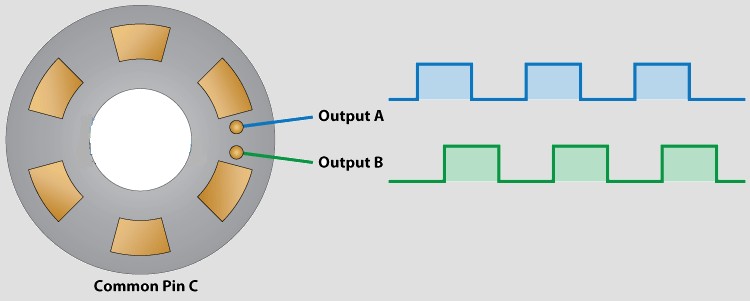
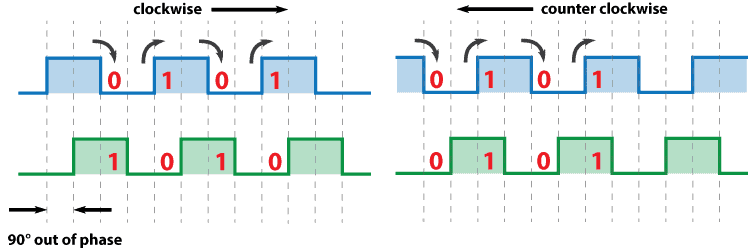
When the disk will start rotating step by step, pins A and B will start contacting the common pin and thus the two square wave output signals are going to be generated respectively.
Any of the two outputs are going to be used for determining the rotated position if we just count the pulses of the signal. However, if we would like to demonstrate the rotation direction as well, we’d like to consider both signals at identical times.
We can recognize that it displaced the 2 output signals at 90 degrees out of phase from each other. If the encoder is rotating clockwise the output, A will be prior to output B.
So if we count the steps every time the signal changes, from High to Low or from Low to High, we will notice at that point the two output signals have opposite values. Vice versa, if the encoder is rotating counter-clockwise, the output signals have equal values. So looking at this, we can easily program our controller to read the encoder position and the rotation direction.
What is LED Rotary Encoder?
An LED rotary encoder is a type of rotary encoder that uses LED light to detect the rotation, position, or speed of a shaft or knob. This encoder combines traditional rotary encoder technology with LED illumination to provide visual feedback, making it useful in applications where both rotational control and visual cues are important.
Advantages of LED Rotary Encoders
Visual Feedback: The LED lighting helps users quickly understand the position or status of the encoder, which is ideal for control panels or applications where visual indicators are valuable.
Customization: Many LED rotary encoders allow for RGB color changes, which can be customized to suit different functions, status indicators, or even brand aesthetics.
Durability: With few moving parts and solid-state LEDs, these encoders are typically durable, reliable, and suited for high-frequency applications.
Applications of LED Rotary Encoders
Audio Equipment: Mixing consoles, audio interfaces, and DJ equipment, where users need precise control over levels and settings.
Control Panels: In industries like broadcasting, automation, and aviation, where LED feedback can indicate different operational modes or levels.
Gaming: In controllers or game consoles, providing tactile and visual feedback to enhance user experience.
Medical Devices: To allow intuitive, controlled adjustments with visual confirmation in medical settings.
Compared to the Rotary Encoder, the LED Rotary Encoder provides the user with clear visual feedback, which greatly improves operational accuracy and enhances the visual appearance of the product. In order to meet the further demand for LEDs we have added the Addressable RGB LED solution.
These LEDs have an IC built right into the LED. This allows a communication via a one-wire interface. This means that you can control lots of LEDs using just one digital pin of your Arduino.
For more information on addressable LEDs, you can click here.
If you would like to try Rotary Encoder with addressable LEDs on your project feel free to contact us or leave a comment below the article.
We’re thrilled to announce that Lakeview Switches will be exhibiting at this year’s electronica trade fair in Munich, the world’s leading event for the electronics industry. From November 12th to 15th, we’ll be showcasing our latest innovations in LED push-button switches, LED tactile switch, OLED/LCD display button switches, and OLED/LCDscreen.
At the event, we’ll debut three new products launched this year:
2RU touch panel perfect for high-end viedo&audio and control systems
Most competing products in the market use commercial screens, while we use industrial-grade screens. Industrial displays have superior environmental adaptability compared to commercial ones. They maintain color fidelity and image integrity in conditions such as high temperatures, low temperatures, high humidity, and strong vibrations. Industrial screens also have a longer lifespan, typically lasting 5-7 years or even longer, and their performance parameters remain stable throughout their lifecycle with a lower chance of malfunction.
Additionally, in terms of bonding technology, we use full lamination instead of the frame lamination that others use. Full lamination refers to the seamless bonding of the protective glass, touch screen, and display panel, eliminating the air layer between the display and touch screen. This results in a thinner screen, enhanced visual appeal, reduced chances of dust intrusion, clearer images, and improved display effects. It also makes the screen look more sleek and aesthetic. Full lamination really does deliver a more attractive appearance!
R6 switch alternative with built-in WS2812 LED which offers customizable RGB lighting options.
The R6 series has long been a reliable and popular choice in illuminated tactile switches, known for its durability, color variety, and classic flick design. However, it has seen few updates in recent years, leaving some users disappointed.
Lakeview has responded by introducing the TL16 series, which builds on the strengths of the R6 and incorporates key improvements based on customer feedback:
WS2812 RGB LED Integration The TL16 now features built-in WS2812 RGB LEDs, allowing it to display over 16 million colors. With just 4 pins, up to 1024 switches can be connected in series, simplifying circuit designs.
Improved Cap Materials The cap’s temperature resistance has been enhanced, along with better light transmittance and glossiness for a brighter appearance. We’ve also introduced post-consumer recycled materials for more sustainable production.
Gold-Plated Pins Unlike the nickel or silver-plated pins found in competing switches, the TL16 uses gold-plated pins, offering superior durability and higher operating temperature limits.
Additionally, we offer customization options for cap size, color, and shape, ensuring the TL16 meets your specific project needs.
6*6 tactile switch in WS2812 LED which offers customizable RGB lighting options.
Just like the R6 switch, the 6*6 tactile switch has a wide range of applications and remains one of the most popular tactile switches in its category. To give new life to this classic design, we’ve made some adjustments to our original 6*6 switch:
Redesigned the PIN layout to accommodate different customers’ PCB designs.
Added gold-plated PINs to enhance the stability of circuit connections.
Integrated a WS2812 LED to enhance the visual appeal.
For different PCB designs, we have introduced two series, TL1 and TL2, for customers to choose, TL1 series 6*6 tactile switches have vertical symmetry in the direction of the LED pin and the switch pin, and TL2 series 6*6 tactile switches have horizontal symmetry in the direction of the LED pin and the switch pin.
Whether you’re looking for reliable components or the latest in switch technology, our team will be ready to discuss how our solutions can help take your products to the next level.
The D6 series from C&K has long been a popular choice in the world of illuminated tactile switches. Its classic flick design, robust mechanical life of up to 250,000 cycles, wide range of colors and styles, and the availability of illuminated versions have made it a bestseller for years. However, while it remains a reliable option, many users have expressed disappointment with the lack of significant updates in recent years.
At Lakeview, we’ve listened closely to user feedback and have taken steps to innovate where the D6 series has stalled. Our TL16 series switches have quickly become a favorite replacement for the D6, and as part of our commitment to continuous improvement, we’ve made some exciting updates this year based on customer input.
Key Upgrades to the TL16 Series:
1. Integration of WS2812 RGB LEDs One of the standout updates to the TL16 is the addition of an LED with a built-in WS2812 chip, allowing for dynamic, full-spectrum lighting. With just 4 pins for circuit connection, the TL16 can display 16,777,216 colors, enabling incredible customization and visual appeal. Furthermore, up to 1024 switches equipped with this LED can be connected in series, streamlining circuit design and reducing complexity.
2. Enhanced Cap Materials Our engineering team has also improved the materials used in the cap injection molding process. Firstly, the temperature resistance of the cap has been significantly increased, making it more durable in extreme conditions. Secondly, we’ve refined the milky-white plastic used in the caps to improve light transmittance and glossiness, resulting in a brighter, more vibrant appearance when illuminated. Additionally, we’ve taken a step toward environmental sustainability by incorporating Post-Consumer Recycled materials into the cap design.
3. Gold-Plated Pins for Superior Durability Another key upgrade in the TL16 series is the switch to gold-plated pins. While many competing products, including C&K’s D6, use nickel or silver-plated pins, we’ve invested in the more costly gold-plating process. This significantly improves the lifespan, as well as the upper and lower operating temperature limits of the switch, making the TL16 a more reliable and long-lasting solution compared to other alternatives on the market.
Customization Options
At Lakeview, we understand that one size does not fit all. That’s why we offer cap customization services, allowing you to tailor the color, size, and shape of the caps to your specific needs. Whether you need a particular look or feel for your project, we’re ready to provide one-on-one, professional customization to ensure your switches match your exact requirements.
Why Upgrade to the TL16?
The TL16 series not only surpasses the D6 in terms of functionality and performance, but it also offers greater flexibility and customization options. With the integration of RGB LEDs, enhanced materials, and gold-plated pins, the TL16 is a forward-thinking solution for industries that demand high-performance, long-lasting, and visually appealing switches.
If you’re looking for an D6 button replacement or want to learn more about how the TL16 series can elevate your project, we’d love to hear from you. Leave a comment below, and we’ll get back to you within 12 hours to assist with your inquiry.
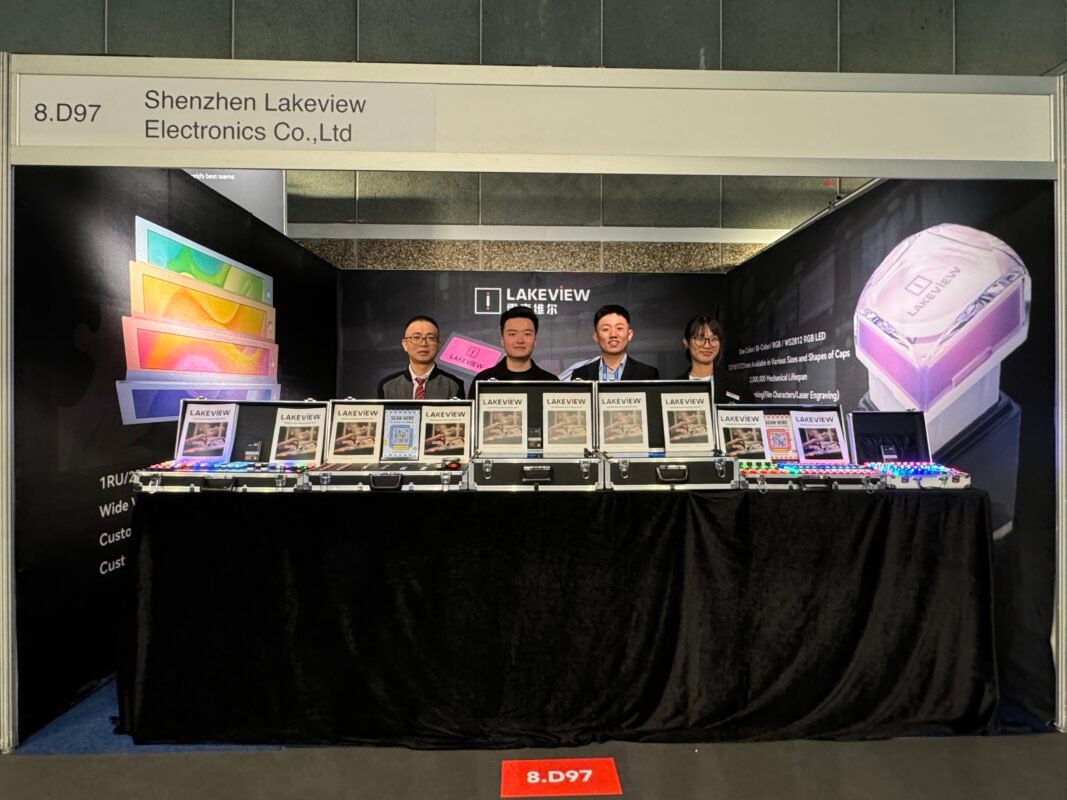
This year at the IBC Show 2024, Shenzhen Lakeview Electronics Co., Ltd. proudly showcased our cutting-edge pushbutton switch solutions, which have been at the forefront of the broadcasting industry. As a trusted partner for video switchers and control panels, we continue to push the boundaries of what’s possible in switch technology, ensuring reliability, innovation, and precision for broadcasters worldwide.
Showcasing Our Expertise
At IBC 2024, we demonstrated why Lakeview is a leader in the pushbutton switch industry. We presented a range of advanced solutions designed to meet the rigorous demands of broadcast professionals:
Durable Touch Switches: Our touch switches, built to last for up to 10 million presses, are designed for longevity and reliability. These switches ensure smooth and consistent operation, making them ideal for high-demand broadcast environments.
Programmable LED Pushbutton Switches: One of the highlights of our showcase was our programmable LED pushbutton switches, featuring built-in IC chips. These switches offer unparalleled customization options, allowing users to tailor the switch functionality to their specific needs.
OLED/LCD Display Pushbutton Switches: Another standout from our lineup was our pushbutton switches designed for OLED and LCD displays. These switches seamlessly integrate into modern broadcasting equipment, providing clear, bright visuals and reliable tactile feedback for intuitive control.
A History of Innovation
For years, Shenzhen Lakeview Electronics has partnered with broadcast equipment manufacturers globally, providing them with innovative switch solutions that not only meet but exceed industry standards. Our expertise allows us to deliver products that are not only durable but also technologically advanced, ensuring broadcasters have the best tools at their fingertips.
Our Commitment to the Future
The feedback we received at IBC 2024 was overwhelmingly positive, reinforcing our position as a driving force in the industry. As we continue to innovate, we are committed to helping broadcasters bring their ideas to life by providing switches that combine reliability, functionality, and cutting-edge technology.
We want to extend our thanks to all the visitors who came to our booth. Your engagement and interest in our solutions drive us to keep pushing the boundaries of switch technology. We look forward to building on these connections and continuing to support the broadcasting community with our reliable and innovative pushbutton switches.
We want to extend a heartfelt thank you to everyone who visited our booth and supported us at the NAB Show. Your interest and enthusiasm are what drives us to continue innovating and improving. Stay tuned for more updates and exciting developments from Lakeview!
For more information about our products and to stay updated with our latest news, please visit our website and follow us on our social media channels.
Shopping Cart
Get In Touch
+86 075529424722
+86 18025304721
ethan@szlakeview.com
Building1, No.33, Dongfa Road, Guangming District, Shenzhen, Guangdong, China